US Justice Department backs OpenAI, says training LLMs on copyrighted text is fair use
The US Justice Department told the court on 1 September 2026 that training LLMs on copyrighted text is fair use, in the OpenAI copyright litigation.
By Emre AlemdarPublished
 Tech AI Latest
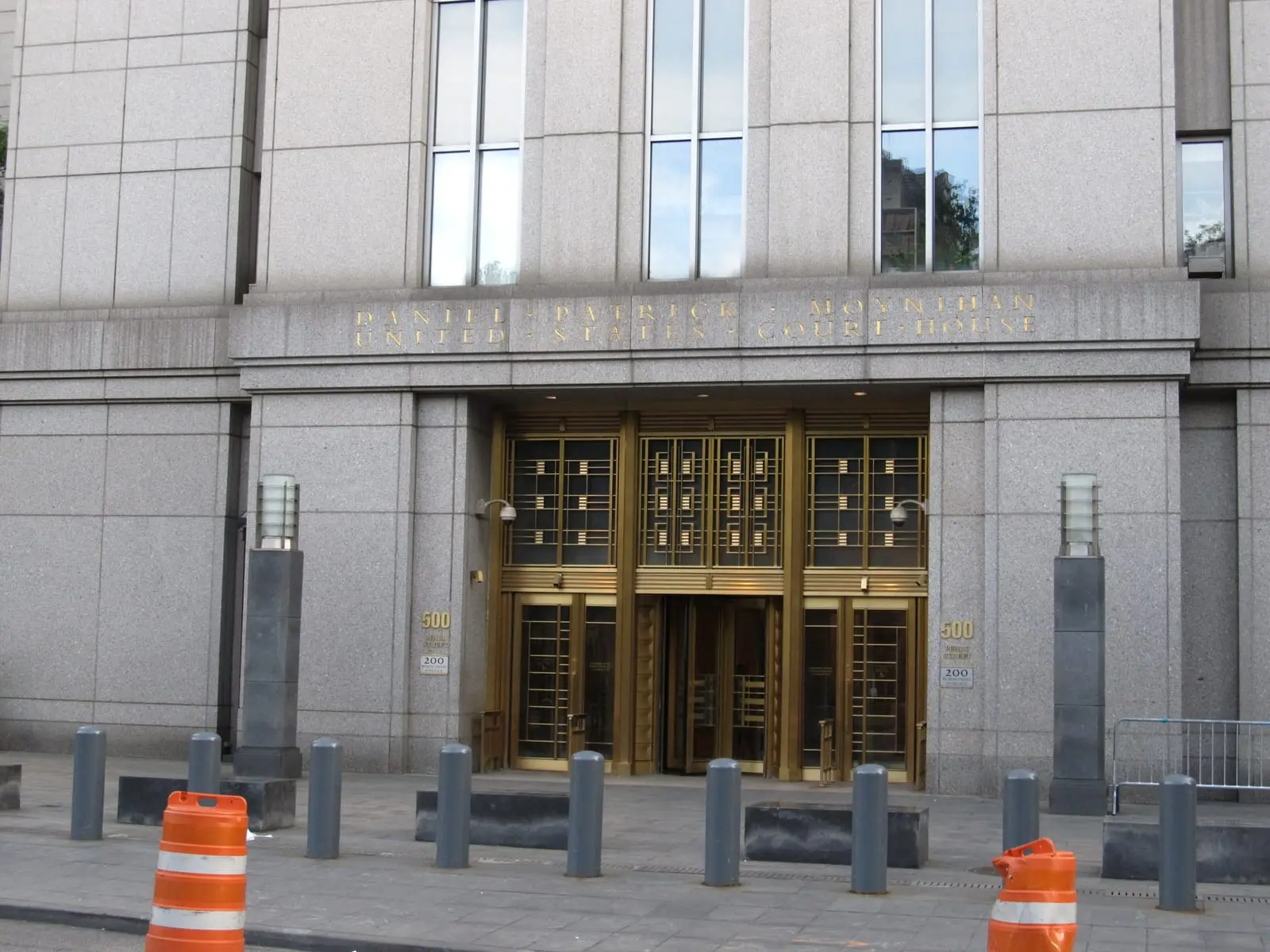
The US Department of Justice filed a statement of interest on 1 September 2026 in the consolidated copyright cases against OpenAI in New York. The government argues that copying written works to train large language models is fair use, calls the training use exceedingly transformative, and rejects the market dilution theory from the Kadrey v. Meta ruling. The filing is not a ruling. Judge Sidney Stein still has to decide fair use.
Key facts
- Filed: 1 September 2026, US District Court for the Southern District of New York, 25-md-3143
- Legal basis: 28 U.S.C. 517, which lets the Justice Department state the interests of the United States in a pending case
- Position: training LLMs on written works is fair use; the first and fourth fair use factors favour OpenAI
- Scope: the training stage only; acquisition and outputs are treated as separate questions
- Signed by Associate Attorney General Stanley E. Woodward Jr. and Assistant Attorney General Brett Shumate
What the Justice Department filed
The United States filed a statement of interest on 1 September 2026 in In re OpenAI Copyright Infringement Litigation, the consolidated cases against OpenAI and Microsoft before Judge Sidney Stein. It appears under 28 U.S.C. 517, which needs no leave of the court. The 20-page filing names The New York Times as plaintiff for simplicity but says its arguments apply to all parties, including book authors and publishers.
The government says it has a strong interest in a competitive US AI industry and cites the President's executive orders of 23 January 2025 and 2 June 2026. It argues that rules making AI development harder would threaten national security and favour foreign competitors. It also says it does not claim that any conduct in the case was authorised by or done for the government.
The legal arguments
The filing separates three stages: acquiring data, training, and outputs. It addresses only training. On the first fair use factor, it says copying works to train LLMs is exceedingly transformative, relying on Bartz v. Anthropic and Kadrey v. Meta, two 2025 rulings from the Northern District of California. On the fourth factor, it says outputs that are not substantially similar to the original cannot cause market harm that copyright recognises.
The government calls the Kadrey court's market dilution analysis deeply flawed, because it treats training and outputs as one continuous use. It adds that licensing fees would favour the largest technology companies and legacy media. It takes no position on whether a licensing regime would be feasible. Its conclusion is that it would be legally incorrect to impose broad liability that makes AI training impermissible without licences.
Why it matters
A statement of interest does not bind the judge, but it puts the executive branch on the side of AI developers in the largest group of US copyright cases about generative AI. It also breaks with the US Copyright Office: a footnote says the Register of Copyrights appeared to endorse a similar dilution theory in the Office's May 2025 training report, and that her view does not warrant deference. The filing leaves open the questions that weigh most for publishers: whether acquiring pirated copies is lawful, and whether specific outputs infringe.
What to watch next
The parties' summary judgment briefing on fair use follows. The statement does not set a hearing date, and none is stated in the filing. Other courts may cite it, so later rulings in AI copyright cases are the next test. Coverage of these cases sits under AI Policy & Regulation.
What changed
| Before | The US government had not taken a position in court on whether training LLMs on copyrighted text is fair use |
|---|---|
| After | The Justice Department formally argues in the OpenAI litigation that LLM training is fair use and that the Kadrey market dilution theory is wrong |
| Who it affects | OpenAI, Microsoft and other AI developers facing copyright suits; news publishers and authors suing them; courts deciding fair use |
Questions people ask
- Is the Justice Department's statement a court ruling?
- No. It is a statement of interest filed under 28 U.S.C. 517. Judge Sidney Stein in the Southern District of New York will decide fair use.
- What does the government say about pirated training data?
- Nothing decisive. The filing describes acquisition as a separate stage and addresses only whether copying works for training is fair use.
- Which cases does the statement cover?
- It was filed in the consolidated In re OpenAI litigation. It refers to The New York Times as plaintiff but says its arguments apply to all parties, including book authors and publishers.
Sources
- Statement of Interest of the United States, In re: OpenAI, Inc. Copyright Infringement Litigation, 25-md-3143 (US Department of Justice (filed in S.D.N.Y., via CourtListener), 1 Sep 2026)
Reference pages
- OpenAI company
- In re OpenAI Copyright Infringement Litigation policy
Spotted an error? See the corrections policy and tell the editor. Facts in this story come from the sources listed above; vendor claims are attributed.
Comments
Loading comments.