Entire, led by ex-GitHub CEO Thomas Dohmke, launches a Git forge where agents score every push
Entire opened its Git forge for agents and humans on 26 October 2026, replacing pull requests with eval-scored Trails and adding Continuous Memory for agents.
By Emre A.Published
 Tech AI Latest
Entire, the startup run by former GitHub CEO Thomas Dohmke, launched a Git forge built for agent-human collaboration on 26 October 2026. It replaces the pull request with Trails, where review agents score every push. It adds distributed Git hosting that Entire says pushes up to 89 times faster than GitHub, and open-source Continuous Memory tools for coding agents. Hosting is free during early access; agent runs are billed at model provider rates.
Key facts
- Launched: 26 October 2026 (Entire blog post by Thomas Dohmke)
- Trails: review agents score security, slop and other evals on every push
- Entire claims pushes up to 89x faster than GitHub and 6x faster than Cursor Origin
- Continuous Memory: open-source entire-graph and entire-brain plugins; up to 71% token savings in Entire's tests
- Pricing: hosting free; agents billed at provider token rates after a one-time credit
- CI partners at launch: Buildkite and Depot
What Entire launched
Entire made its Git forge available to all developers on 26 October 2026. In the launch post, co-founder and CEO Thomas Dohmke, who previously led GitHub, describes it as the first forge built for collaboration between agents and humans. It rests on three parts: Trails for review, distributed Git hosting and Continuous Memory for agents.
Dohmke argues that the pull request has become an audit log that only agents read, filled with long descriptions and review comments. Trails puts eval scores at the top of the page instead. When code is pushed, Entire starts review agents that each run in a cloud sandbox and return a score, a rationale and findings with severity levels. Each project ships with agents for code quality, security and slop, and teams can add their own. Gates can require human approval and passing CI before a merge. A Trail can span several repositories.
Hosting, CI and agents under the hood
Entire runs a new Git-compatible source control server. The company claims pushes are up to 89 times faster than GitHub and 6 times faster than Cursor Origin, and says repositories can be replicated across regions for data residency. These speed figures are Entire's own and the post does not describe the test. Developers can mirror a GitHub repository and detach it, or migrate with an entire-migrate plugin.
The review agents use Claude Code and Codex with current models, running on sandboxes from Daytona and E2B. For CI, Entire integrates Buildkite and Depot, both of which offer tools to convert existing GitHub Actions workflows.
Continuous Memory and pricing
Continuous Memory keeps what agents learn in the repository. Two open-source, local-first CLI plugins do the work. entire-graph builds a map of the code with search, definitions, callers and change impact, and Entire says it saved up to 71% of tokens in its tests. entire-brain indexes past agent sessions and links them to that map, so an agent can recall why code changed. Teams can sync these memories to Entire so reviewers see them on each Trail.
Under early access pricing, code hosting, Trails, session storage, memory and search are free. Each user gets a one-time credit, and agent runs then draw on paid credit at model provider rates, billed to the repository owner. The default review model is Claude Opus 5.5 at $4 per million input tokens and $20 per million output tokens. Entire's own estimate puts one review run on a 4,000-line diff at about $0.41.
What to watch next
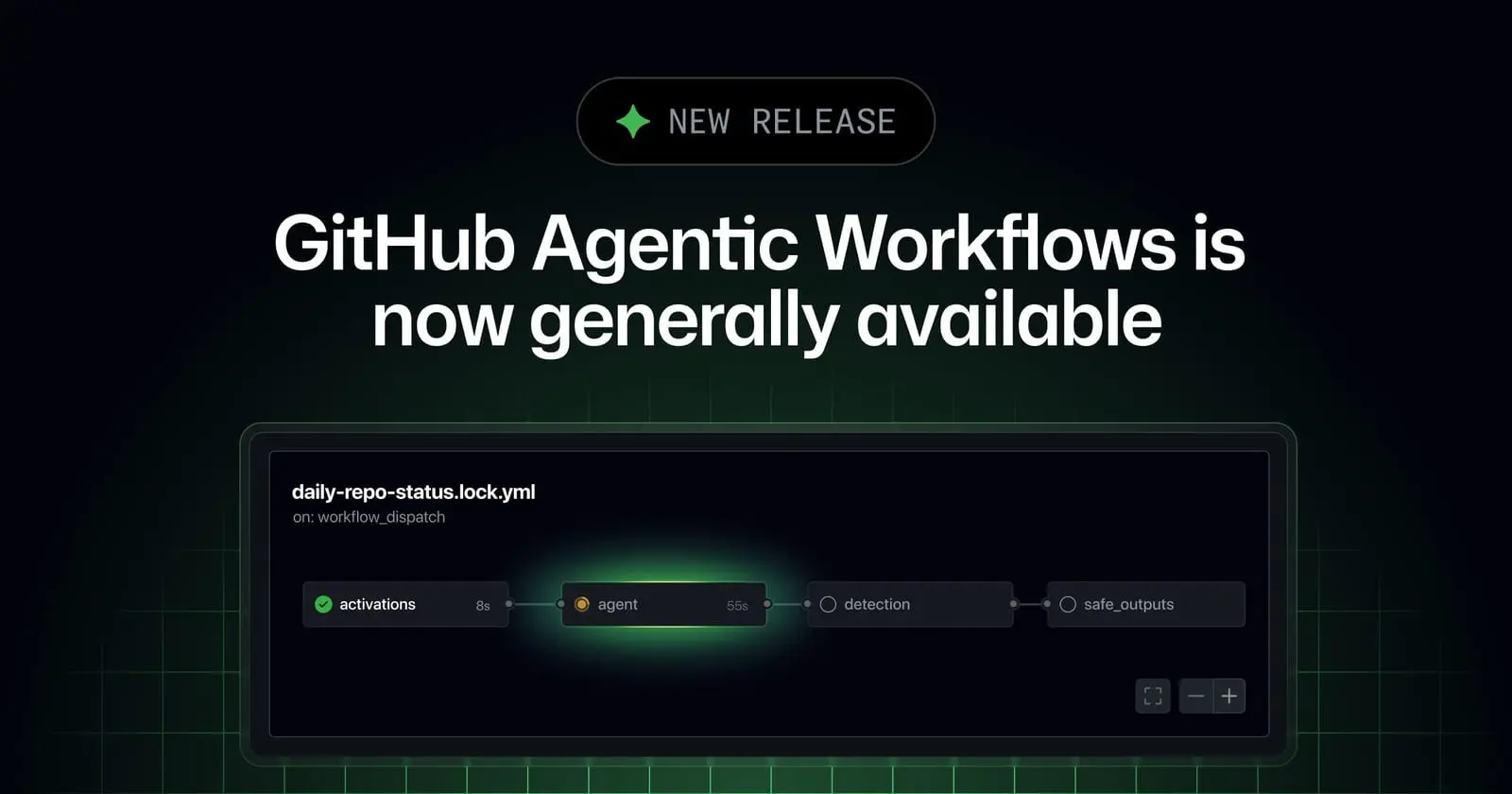
Entire launches into a market GitHub is reshaping with its own agent features, covered in our Agentic Workflows story. The questions are whether teams will move repositories off GitHub, what Entire charges after early access and whether independent tests back its speed claims. More agent tooling news is on the AI Agents hub.
What changed
| Before | Code review on Git forges centered on pull requests with comment timelines, and agent session context was lost between sessions |
|---|---|
| After | Entire offers Trails with agent-scored evals on every push, distributed Git hosting and repository-stored agent memory, free to host during early access |
| Who it affects | Teams using coding agents heavily, and GitHub users weighing a move or a mirror |
Questions people ask
- What is Entire?
- A developer platform led by former GitHub CEO Thomas Dohmke. Its Git forge, launched on 26 October 2026, is designed for teams where agents write and review much of the code.
- How much does Entire cost?
- During early access, hosting and most features are free. Agent runs are billed at model provider token rates after a one-time free credit.
- Can I move a GitHub repository to Entire?
- Yes. Entire supports mirroring a GitHub repository and detaching it, migrating with its entire-migrate plugin, or pushing from a local clone.
Sources
- The Git Forge for Agent-Human Collaboration (Entire, 26 Oct 2026)
- Pricing (Entire, 28 Oct 2026)
Reference pages
- Claude Opus 5.5 model
- Entire company
- GitHub company
- Claude Code tool
- Codex tool
Spotted an error? See the corrections policy and tell the editor. Facts in this story come from the sources listed above; vendor claims are attributed.
Comments
Loading comments.