Pope Leo XIV says AI must be disarmed and urges states to ban lethal autonomous weapons
Pope Leo XIV told a Vatican AI meeting on 30 October 2026 that machines are tools, not persons, and urged states to ban lethal autonomous weapons.
By Gürkan E.Published
 Tech AI Latest
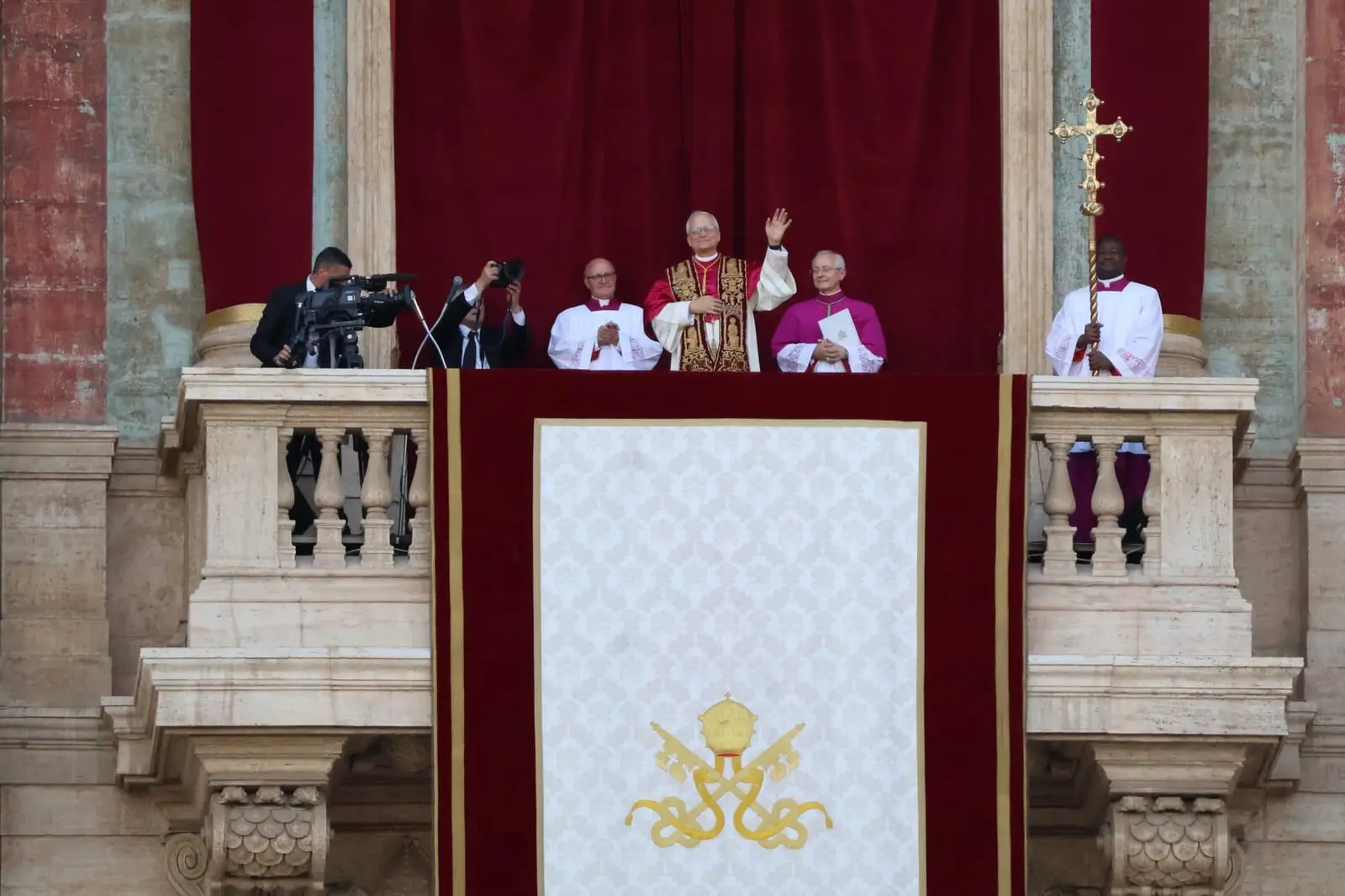
Pope Leo XIV addressed a Vatican meeting on the future of AI on 30 October 2026, organized by the Pontifical Academy for Life and the Future of Life Institute. He said machines are tools, not persons, that some decisions must never be delegated, and that international institutions must enforce shared standards. He said AI must be disarmed and urged states meeting in Geneva in November to move toward banning lethal autonomous weapons.
Key facts
- Delivered: 30 October 2026, Consistory Hall, Vatican (text on vatican.va)
- Audience: a dialogue on AI organized by the Pontifical Academy for Life and the Future of Life Institute
- Weapons: encourages the states meeting in Geneva in November to take concrete steps toward banning lethal autonomous weapons
- Personhood: rejects proposals to give AI systems rights or legal personhood
- Governance: calls for shared standards, independent oversight and clear accountability through effective international institutions
- Not stated: which Geneva forum is meant, or any specific treaty text the Holy See backs
What Pope Leo XIV said
Pope Leo XIV spoke on 30 October 2026 to participants in a meeting on the future of AI, organized jointly by the Pontifical Academy for Life and the Future of Life Institute in the Vatican's Consistory Hall. He said participants shared a sense of unease about how AI is developing and that not enough is being done to move in the direction everyone recognizes. He recalled Pope Francis telling G7 leaders in June 2024 that no machine should ever be entrusted with the decision to take a human life.
The address offers five considerations, each drawn from his May 2026 encyclical Magnifica Humanitas. First, the future of AI is not predetermined, and people have the responsibility to guide, change and, when necessary, reject its applications; a reliable system that serves people is worth more than a more powerful one whose consequences cannot be foreseen. Second, machines are tools, not persons. Third, some decisions must never be delegated. Fourth, AI must serve the common good and not only a privileged few. Fifth, the world needs institutions that can put known ethical principles into practice.
Autonomous weapons and legal personhood
On the third point the Pope warned that a person placed on a target list or entered into a border control database risks being reduced to a data point. Decisions affecting human life, freedom and the use of force, he said, must always stay under effective, informed and responsible human oversight. Citing paragraph 110 of the encyclical, he said artificial intelligence must be disarmed, and he encouraged the states meeting in Geneva in November to take concrete steps toward banning lethal autonomous weapons. The text does not name the Geneva forum.
On personhood, he said some propose granting AI systems rights or legal personhood, and that this risks obscuring human responsibility and leaving people who suffer harm to face a faceless entity. He quoted the encyclical's point that so-called artificial intelligences have no body, no experiences and no inner knowledge of love, work or responsibility.
Why it matters
The Holy See has no vote in national AI laws, but it takes part in multilateral talks and its positions shape debate among governments and many Catholic institutions. The call for shared standards, independent oversight and remedies for harm overlaps with demands in recent government moves, such as the EU AI Scientific Panel's work on loss-of-control incidents and California's frontier AI order. The address also repeats, in stronger terms, the 2024 appeal by Pope Francis that the Pope cited at the start.
The next test is the Geneva meeting in November, where states will show whether talks on autonomous weapons move toward binding rules. Follow regulation and treaty news on the AI Policy hub.
What changed
| Before | Magnifica Humanitas (May 2026) set out the Holy See's AI teaching, including that AI must be disarmed |
|---|---|
| After | Pope Leo XIV turned it into a direct appeal to states meeting in Geneva in November 2026 to move toward banning lethal autonomous weapons, and rejected legal personhood for AI |
| Who it affects | Governments negotiating autonomous weapons rules, lawmakers weighing AI personhood, and Catholic institutions that use or build AI |
Questions people ask
- What did Pope Leo XIV mean by disarming AI?
- He linked it to decisions on life and the use of force, which he said must stay under responsible human oversight, and to a ban on lethal autonomous weapons. The phrase comes from paragraph 110 of his encyclical Magnifica Humanitas.
- Does the Pope think AI should have rights?
- No. In the 30 October 2026 address he said machines are tools, not persons, and warned that giving AI rights or legal personhood would obscure human responsibility for harm.
- Who organized the Vatican AI meeting?
- The Pontifical Academy for Life and the Future of Life Institute organized it jointly, according to the Vatican's published text of the address.
Sources
- Address to the participants in The Future of AI: a dialogue between the Vatican and the scientific world (Holy See, 30 Oct 2026)
- Encyclical Letter Magnifica Humanitas (Holy See, 15 May 2026)
- Pope Leo calls for the disarmament of AI (The Verge, 30 Oct 2026)
Reference pages
- Holy See company
- Magnifica Humanitas policy
Spotted an error? See the corrections policy and tell the editor. Facts in this story come from the sources listed above; vendor claims are attributed.
Comments
Loading comments.