NEAR AI says SGLang flaw let an attacker see confidential AI requests and reach 18 agents
NEAR AI says an attacker used an SGLang code execution flaw on 8 November to reach an inference server, about 100 user accounts, 18 agents and two API keys.
By Emre A.Published
 Tech AI Latest
NEAR AI disclosed on 9 November 2026 that an attacker exploited a remote code execution flaw in the open-source SGLang inference engine on 8 November. The attacker ran code on one inference server, may have seen confidential-mode requests it processed, exposed account details of about 100 users, reached 18 legacy agents and two customers' API keys. NEAR AI rotated credentials, took Private Chat offline and patched every inference server.
Key facts
- Disclosed: 9 November 2026 in a NEAR AI security incident report; the intrusion happened on 8 November
- Entry point: a remote code execution flaw in SGLang, the open-source inference engine; NEAR AI has not named the CVE or the affected versions
- Exposed: account details of about 100 users, 18 agents on a legacy deployment outside the TEE, and two NEAR AI Cloud customers' API keys found in logs
- Confidential mode: the attacker may have seen requests processed on one server on 8 November; no sign that stored Private Chat conversations or files were read, NEAR AI says
- Response: sessions and admin credentials revoked, agent tokens replaced, Private Chat taken offline, SGLang fix deployed on all inference servers
- Not stated: how many confidential requests may have been observed
What NEAR AI disclosed
NEAR AI, which sells a confidential computing cloud and a privacy-focused chat app, published a security incident report on 9 November 2026 about a breach the day before. According to the report, as quoted by The Block, Decrypt and The Hacker News, an attacker exploited a remote code execution flaw in SGLang, the open-source engine NEAR AI uses to serve models, ran commands on one inference server and reached other parts of its systems.
That server handled confidential-mode requests, which are meant to be processed inside a trusted execution environment (TEE) that even the operator cannot inspect. NEAR AI says the attacker may have seen requests processed there on 8 November. It also says account details of about 100 users were exposed, the attacker reached 18 agents on an older NEAR AI Agents deployment that ran outside the TEE, and two NEAR AI Cloud customers' API keys were exposed in logs and have been revoked. It found no indication that stored Private Chat conversations or uploaded files were accessed.
Response and open questions
On detection, NEAR AI says, it revoked all active sessions and administrative credentials, replaced all agent tokens, took Private Chat offline and deployed an SGLang fix across all inference servers. It then rotated its remaining credentials, completed a forensic review and reported the flaw to the SGLang project. The Block reports that NEAR AI Cloud access has been restored.
The report leaves gaps. NEAR AI has not named a CVE, the affected SGLang versions or whether the upstream project has shipped a fix, and it has not said how many confidential requests passed through the compromised server. The primary report could not be opened from our systems; the details above rely on the passages quoted by The Block, Decrypt, TechInformed and The Hacker News, which agree on every number.
Why a TEE did not stop it
NEAR AI launched NEAR AI Cloud and Private Chat in December 2025 on a promise of verifiable privacy, and in August 2026 said TEE-hosted requests run in Intel TDX trust domains with Intel Trust Authority attestation. The company was co-founded by Illia Polosukhin, a NEAR Protocol co-founder and one of the authors of the 2017 transformer paper.
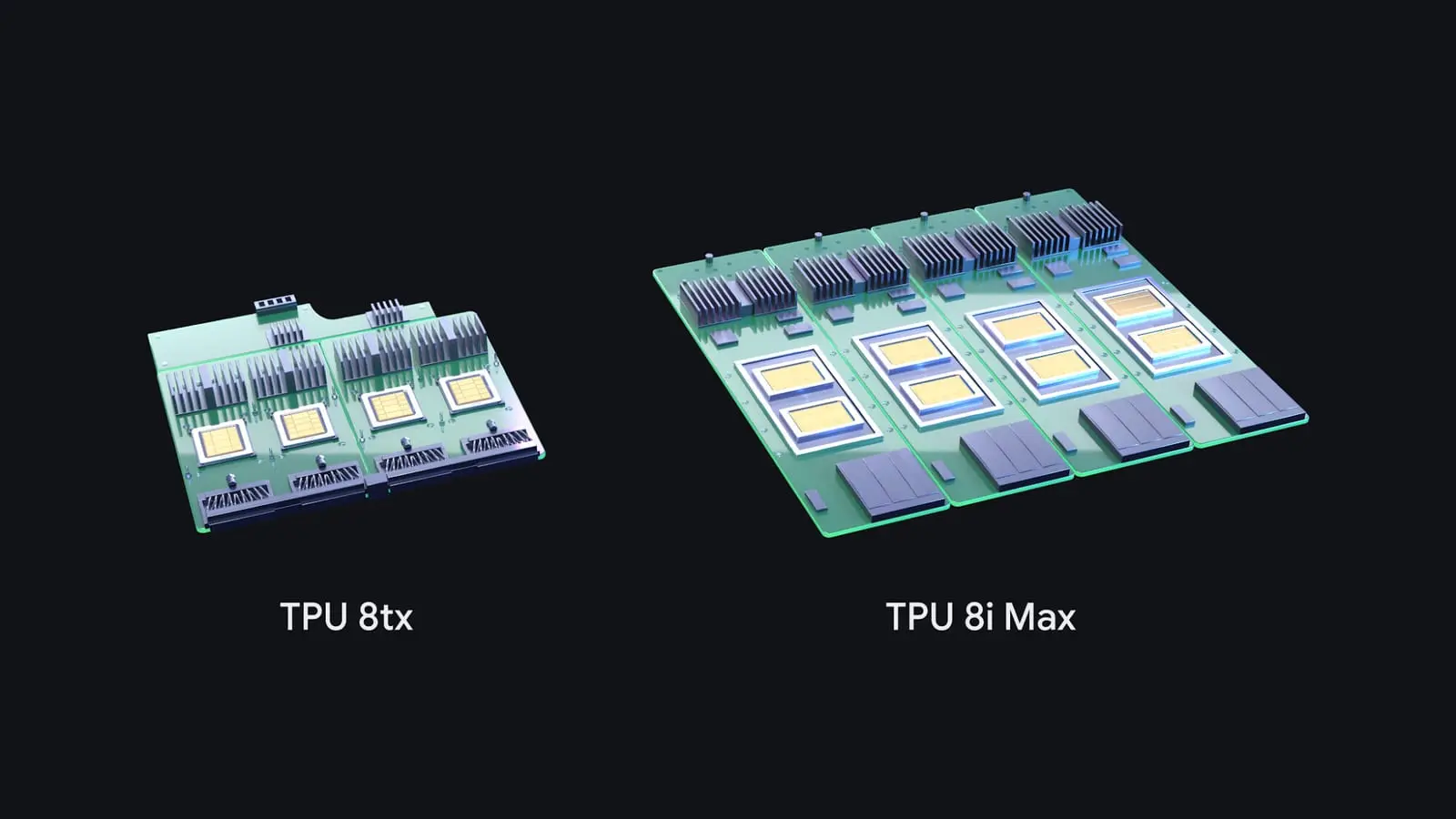
The incident shows the limit of that model. A TEE protects data from the host, hypervisor and operator, not from bugs in the software running inside it. An attacker who gets code execution in the inference engine sees what the engine sees, and attestation proves which software is running, not that it is free of flaws. NEAR AI's own report makes that point, according to TechInformed. The other exposures, legacy agents outside the enclave and keys in logs, did not require breaking confidential computing at all. Google added a TPU variant for confidential inference this week, as we reported; such services still depend on the engines running inside them.
SGLang's record and what to do
SGLang, alongside vLLM, is one of the most widely used open-source serving engines. In 2026 the CERT Coordination Center published note VU#281278 on six SGLang flaws, including unauthenticated remote code execution through unsafe pickle deserialization, and advised operators to disable pickle-based IPC and unused endpoints. NEAR AI has not said whether its flaw is one of those. In October, Cloudflare disclosed a KV cache bug in its SGLang-served GLM 5.3 deployment that leaked data into 155 responses, and Fireworks AI reported a breach this month.
Operators running SGLang should update to the latest release, watch the project's advisories, keep management endpoints off the public internet, require API keys and check logs for secrets. NEAR AI users whose details were exposed should expect targeted phishing, and anyone who sent confidential-mode requests on 8 November should treat them as possibly observed.
What changed
| Before | NEAR AI marketed confidential mode and Private Chat as keeping requests sealed inside hardware TEEs, with no publicly reported compromise |
|---|---|
| After | NEAR AI confirms an SGLang remote code execution flaw gave an attacker code execution on a confidential-mode inference server on 8 November, plus access to about 100 user accounts, 18 legacy agents and two API keys |
| Who it affects | NEAR AI Private Chat and Cloud users, especially anyone who sent confidential-mode requests on 8 November; every operator running SGLang |
Questions people ask
- What data did the NEAR AI breach expose?
- NEAR AI says account details of about 100 users, data from 18 agents on a legacy deployment outside its TEE and two customers' API keys found in logs were exposed, and that confidential-mode requests processed on one server on 8 November may have been seen.
- Were Private Chat conversations stolen?
- NEAR AI says it found no indication that stored Private Chat conversations or uploaded files were accessed, but it cannot rule out that live requests on the compromised server were observed.
- Which SGLang vulnerability was used?
- NEAR AI has not named a CVE or the affected SGLang versions. It says it deployed a fix on its own servers and reported the flaw to the SGLang project.
- Why did confidential computing not prevent the breach?
- A trusted execution environment protects data from the host and operator, not from bugs in software running inside it. The attacker exploited the inference engine itself, which has full access to the requests it processes.
Sources
- NEAR AI Security Incident Report: SGLang Vulnerability (NEAR AI, 9 Nov 2026)
- NEAR AI says SGLang vulnerability exposed user account details in security breach (The Block, 10 Nov 2026)
- Near AI Breach Exposes User Details and Data From 18 AI Agents (Decrypt, 10 Nov 2026)
- SGLang RCE Exploit Breaches NEAR AI, Steals Data From 18 Agents and About 100 Users (The Hacker News, 10 Nov 2026)
- NEAR AI breach may have exposed confidential AI requests (TechInformed, 10 Nov 2026)
- VU#281278: SGLang contains multiple vulnerabilities (CERT/CC, 30 Jul 2026)
Reference pages
Spotted an error? See the corrections policy and tell the editor. Facts in this story come from the sources listed above; vendor claims are attributed.
Comments
Loading comments.