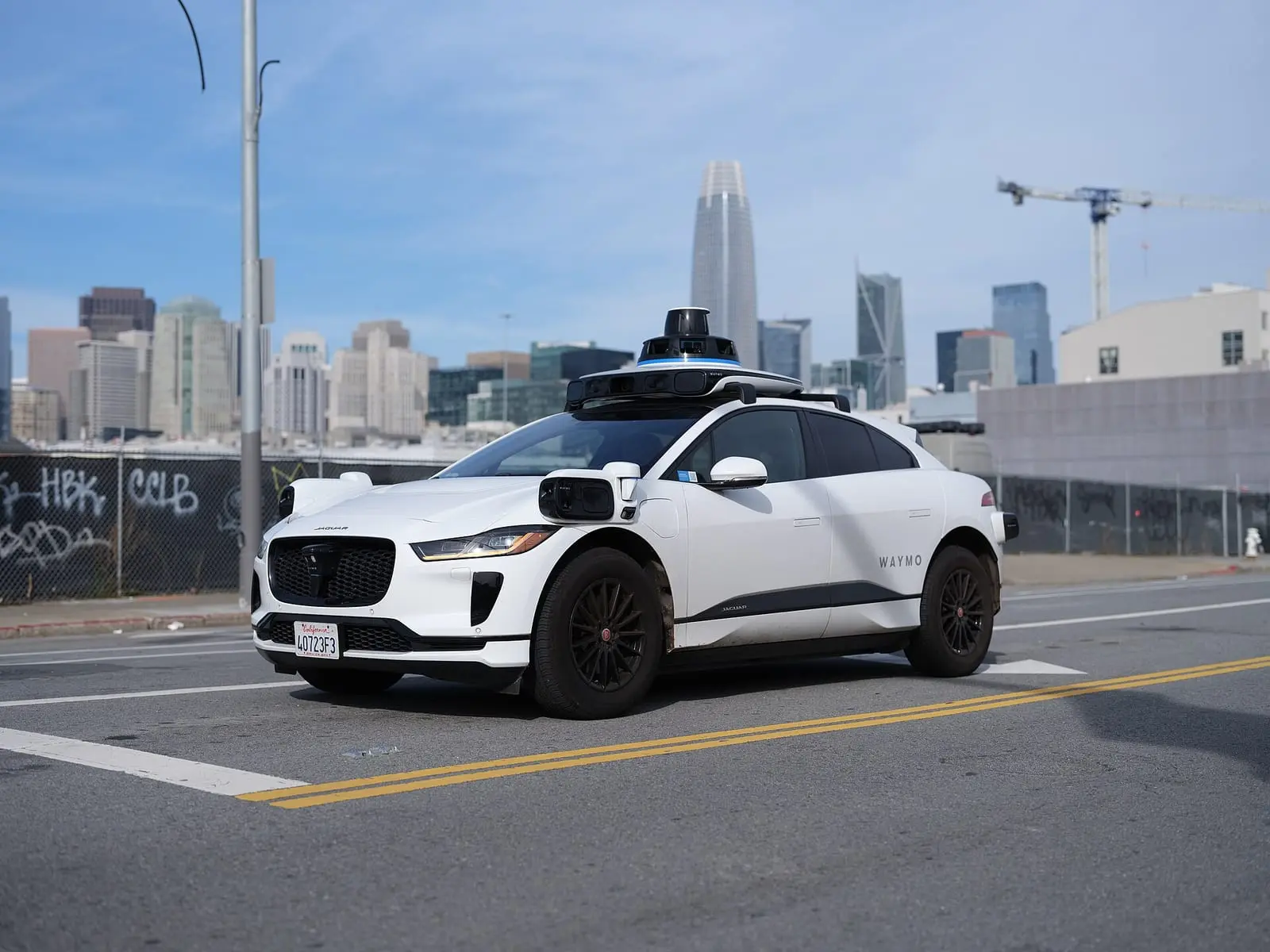
Google DeepMind shows Gemini 4 Argon for robotics with 87% on the ERQA benchmark
Google DeepMind said on 13 October 2026 that Gemini 4 Argon scores 87% on the ERQA embodied reasoning test and builds robot simulations from video and sketches.
By Emre AlemdarPublished
 Tech AI Latest
Google DeepMind published robotics results for Gemini 4 Argon on 13 October 2026. The post says the model scores 87% on the ERQA embodied reasoning benchmark using pure reasoning, builds MuJoCo simulations from robot logs, human video and hand sketches, and raised a two-arm robot's real-world success from 56% to 75% after practising in a simulated twin. Argon is available in the Gemini API paid tier and to Google AI Ultra subscribers.
Key facts
- Published: 13 October 2026 (Google for Developers blog)
- ERQA embodied reasoning benchmark: 87% using pure reasoning, Google DeepMind says
- Simulation practice raised real-world success on a two-arm Franka setup from 56% to 75% and cut task time from 35 s to 24 s
- Demonstrations include Boston Dynamics Spot, Franka FR3 arms, ALOHA 2 and an SO-101 arm
- Access: Gemini API paid tier with model ID gemini-4-argon; Google AI Studio and Antigravity for AI Ultra subscribers
- Not stated: names and scores of the competing models
What Google DeepMind announced
Google DeepMind published a robotics report for Gemini 4 Argon on 13 October 2026, the same day it released the model. The post, by principal software engineer Kanishka Rao, presents Gemini 4 Argon as a general physical reasoning model that covers robot control, turning real scenes into simulations, physical understanding and self-improvement. On the ERQA embodied reasoning benchmark it scores 87% using pure reasoning, which the post says beats every other frontier model. The competing models and their scores are not named.
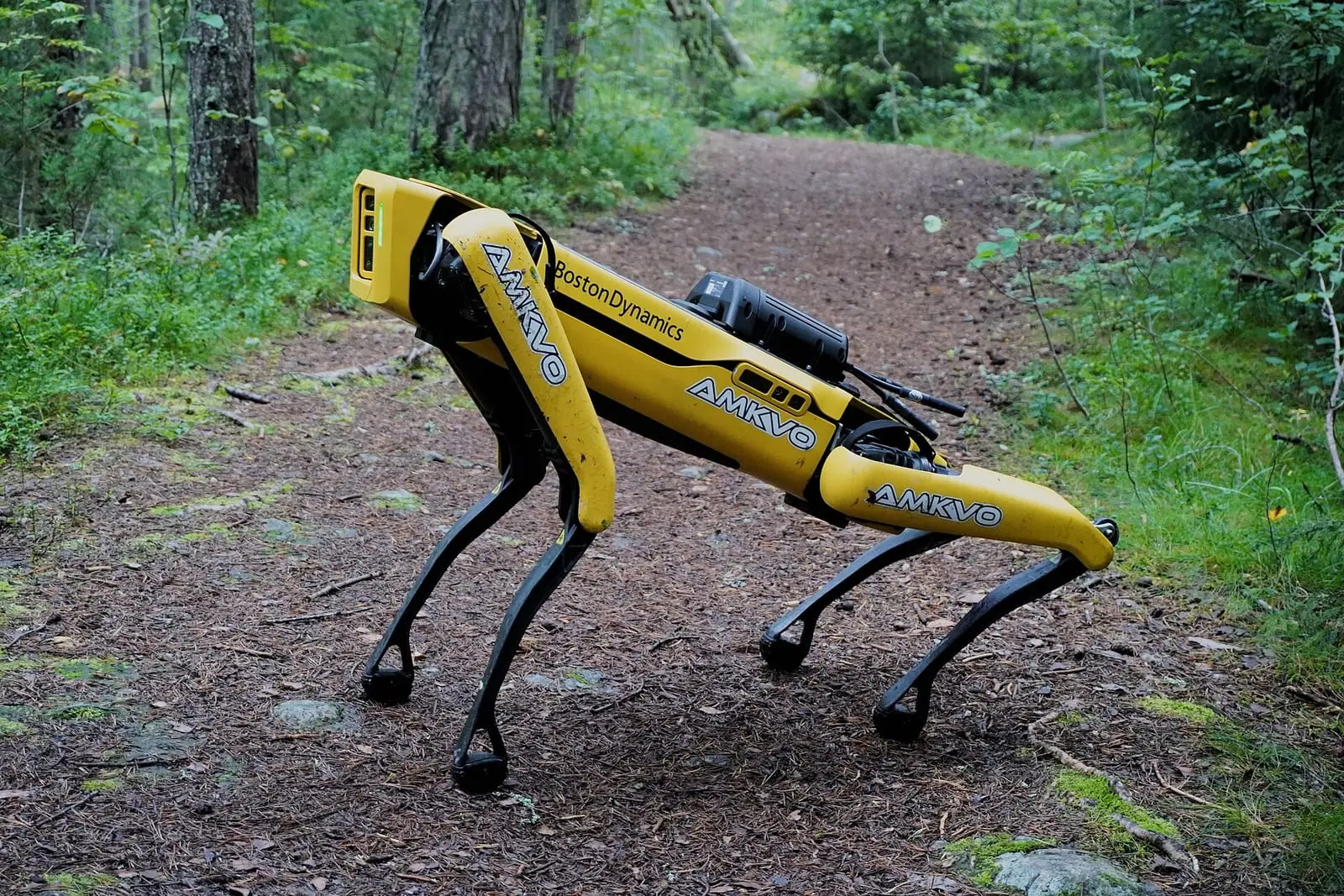
In one demonstration a Boston Dynamics Spot robot, with 12-degree-of-freedom legs and a 6-degree-of-freedom arm, practises in a MuJoCo copy of a foot-pedal bin before throwing away soda cans. Two verifier agents check the foot and the hand actions.
From video and sketches to simulation
Argon builds MuJoCo scenes from three kinds of input. From a logged robot teleoperation episode it rebuilds the scene while keeping commanded joints within 0.55 rad for the arm and 0.65 rad for the hand of the recorded trajectory. From first-person human video it builds a 500 Hz simulation and retargets the motion to a 76-degree-of-freedom humanoid with two 22-degree-of-freedom hands. From a hand-drawn sketch it builds a scene in which the humanoid throws a ball at six stacked boxes and knocks all six down.
The strongest real-world number comes from a two-arm Franka FR3 setup. From one tabletop photo Argon built a simulated twin of nine party props, wrote a 77-task curriculum and generated more than 4,500 randomised episodes. Real-world success rose from 56% to 75% and completion time fell from 35 seconds to 24 seconds. On a low-cost SO-101 arm, completion times fell from 58.9 seconds to 17.4 seconds over three iterations.
What changed for robot developers
Earlier Gemini Robotics models were separate releases for robot makers. Here the general-purpose flagship model is pitched as a robotics tool from day one, available through the same API as text and code. The post also describes safety rules for hardware runs written into an AGENTS.md file and a ban on simulation cheats such as adding external forces to objects. All results are self-reported and the post cites no independent check.
What to watch next
Pricing for robotics use and whether a dedicated Gemini Robotics version of Argon will follow are not stated in the announcement. Third-party ERQA results would help place the 87% claim. The post also cites 68 interactive browser sandboxes in which Argon reproduced robotics papers in MuJoCo. More robotics model news is under Robotics & Physical AI.
What changed
| Before | Google DeepMind offered robotics capabilities through separate Gemini Robotics models |
|---|---|
| After | Gemini 4 Argon, the general flagship, is presented with robotics results including 87% on ERQA and sim-to-real gains, available in the Gemini API |
| Who it affects | Robot developers using the Gemini API, simulation and robot learning researchers |
Questions people ask
- What did Gemini 4 Argon score on ERQA?
- 87% using pure reasoning, according to Google DeepMind's 13 October 2026 post. The post does not name the other models it says Argon outperforms.
- Can developers use Gemini 4 Argon for robotics?
- Yes. The post says it is on the Gemini API paid tier with model ID gemini-4-argon, and in Google AI Studio and Google Antigravity for Google AI Ultra subscribers.
- Which robots appear in the demonstrations?
- Boston Dynamics Spot, two Franka FR3 arms, a bimanual ALOHA 2 robot, a UMI setup and a 6-degree-of-freedom SO-101 arm, plus simulated humanoids.
Sources
- Gemini 4 Argon for Robotics (Google for Developers, 13 Oct 2026)
Reference pages
- Gemini 4 Argon model
- Google DeepMind company
- Boston Dynamics company
Spotted an error? See the corrections policy and tell the editor. Facts in this story come from the sources listed above; vendor claims are attributed.
Comments
Loading comments.