AWS makes Kiro bots generally available, giving coding agents memory and standing jobs
AWS made bots generally available in Kiro Crew on 5 November 2026: named coding agents with their own memory, schedules and permissions.
By Emre A.Published
 Tech AI Latest
AWS made bots generally available in Kiro Crew, its open-source workspace for AI coding agents, on 5 November 2026. A bot is a named, long-running agent that owns one area of work, such as issue triage or build monitoring, keeps its own notes and work log, runs its own sessions and can work on a schedule. Bots bill through existing Kiro plans and run on a laptop, a desktop or Amazon EC2.
Key facts
- Announced: 5 November 2026 (Kiro blog)
- What a bot is: a named, long-running agent with its own memory (notes), work log, dashboard, sessions and permissions
- Scheduling: bots can run recurring jobs, such as overnight checks of CI failures
- Limits: adding tools needs user approval; bots cannot delegate work to other bots, by design
- Cost: bills through the existing Kiro plan and its credits, an AWS spokesperson told The Register
- Not stated: whether bot usage counts against the creating user's own limit
What AWS announced
Amazon Web Services made bots generally available in Kiro Crew on 5 November 2026. Kiro Crew is the open-source workspace for AI coding agents in the Kiro product line, which also includes an agentic IDE, a command-line interface and a web product. In the announcement on the Kiro blog, the Kiro team describes a bot as a new way to structure and drive agentic work: instead of working in isolated sessions, each bot is a named, long-running agent that a developer defines and customises for a specific part of their work.
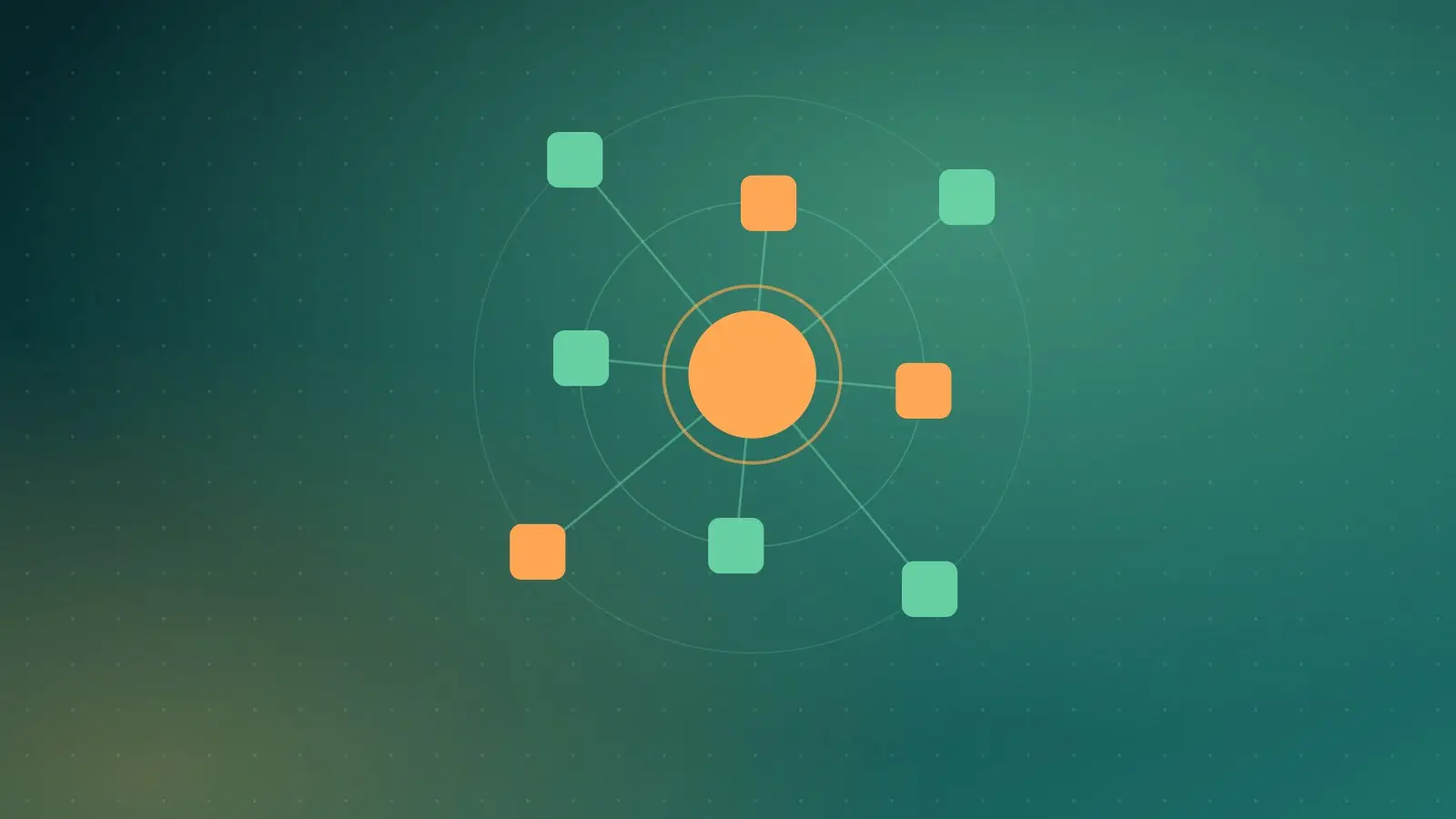
A bot owns an area rather than a single task. The examples AWS gives include issue triage, build monitoring and release readiness. Each bot has its own memory, which Kiro calls notes, a work log of what it has done, a dashboard and a single chat where the developer talks to it. It starts and runs its own agent sessions, so the developer no longer has to track each session one by one. According to coverage of the launch by The New Stack and VentureBeat, a bot can launch several sessions, monitor their progress, correct them when they drift and combine their output.
Each bot has its own permissions. In the review example, the bot can comment on code and request changes, but it cannot approve or merge. Adding new tools to a bot requires the user's approval, and developers can set how much initiative each bot is allowed to take. Bots run wherever Kiro Crew runs, which the Kiro team says includes a personal laptop, a small always-on desktop machine or a cloud server on Amazon EC2.
One design limit is deliberate. Bots cannot hand work to other bots. A Kiro team member quoted in launch coverage said this is by design, to prevent what the team calls context rot and to keep each bot independent. Memory is also kept separate: an AWS spokesperson told The Register that each bot has its own memory and sessions and that learned context is intentionally isolated so one bot's learning does not leak into another's work.
How it works and what it costs
Kiro Crew itself is open source under the Apache License 2.0, according to its GitHub repository and the Kiro product page. AWS open-sourced it in August 2026. Launch coverage from InfoQ and the AWS developer community says it began as an internal Amazon project called MeshClaw before it was released publicly. Forbes reported at the time that the agent harness, the part that actually drives the model, stays proprietary; Crew provides the persistent workspace, scheduling, memory, workflow orchestration and approval management around it.
The application is free, but running it is not. Kiro's own page says Crew needs a Kiro plan, and the model calls it makes go through the Kiro command-line tool, which consumes Kiro credits. An AWS spokesperson told The Register that bots bill through a developer's existing Kiro plan. Kiro subscriptions are sold as credits that convert to model tokens at different rates depending on the model, which The Register notes makes it harder to track exactly what an always-on agent is costing.
There is one open question on billing that AWS has not answered publicly. Bots draw on pooled seat credits, and AWS has not published whether usage by a bot counts against the limit of the user who created it or against a shared team allowance. For teams that plan to run several bots on schedules, that detail determines who runs out of credits first.
Why it matters
Kiro bots are part of a wider move toward persistent agents. Mistral launched managed agents in Mistral Studio in public preview on 5 November, and Perplexity introduced Teammates, persistent agents for its Max plan, the same week. The common idea is persistence: agents that keep state across sessions and act on schedules. What differs is scope. Kiro bots are focused on software development work and run inside a workspace the developer controls, on hardware the developer chooses.
The design choices say something about the problems AWS has run into. Separate memory for each bot and the ban on bots delegating to other bots are both ways of limiting how much an agent's context can grow and drift. Long-running agents tend to accumulate stale or contradictory information, and a chain of agents handing work to each other makes it hard to see who decided what. AWS's answer is to keep each bot narrow and keep a human as the coordinator between them.
What to watch next
Security is the main thing to watch. A bot that runs unattended with access to a repository, a CI system and an issue tracker is an attractive target for prompt injection through tickets, pull request comments or dependencies. AWS has emphasised approvals and scoped permissions, but organisations will need to check defaults and sandbox settings before giving bots access to sensitive systems. Recent disclosures involving other coding agents, covered in our cybersecurity hub, show how quickly settings and secrets can leak when agents act on untrusted input.
For more on agent products and frameworks, see the AI agents hub and the Kiro tool page, which tracks the product's features and changes.
What changed
| Before | Kiro Crew ran individual agent sessions that developers started and tracked one by one |
|---|---|
| After | Kiro Crew bots are generally available: named, long-running agents with their own memory, work log, schedules and permissions that start and manage their own sessions |
| Who it affects | Developers and teams on Kiro plans; engineering managers weighing persistent coding agents against GitHub Copilot, Cursor, Claude Code and Codex |
Questions people ask
- What are Kiro bots?
- Kiro bots are named, long-running AI agents in AWS's Kiro Crew workspace. Each one owns an area of work such as issue triage or build monitoring, keeps its own memory and work log, and runs its own sessions, according to the Kiro blog.
- How much do Kiro bots cost?
- Kiro Crew is open source, but bots bill through an existing Kiro plan and consume Kiro credits, an AWS spokesperson told The Register. AWS has not published a separate price for bots.
- Can Kiro bots delegate work to each other?
- No. AWS says bots cannot hand work to other bots, by design, to prevent context rot and keep each bot independent.
- Where do Kiro bots run?
- Wherever Kiro Crew runs: a personal laptop, a small always-on desktop machine or an Amazon EC2 instance.
Sources
- Introducing bots in Kiro Crew (Kiro (AWS), 5 Nov 2026)
- AWS Kiro aims to solve identity crisis by adding another identity: bot orchestrator (The Register, 5 Nov 2026)
- AWS launches agentic AI Kiro bots with memory and support for recurring development jobs (VentureBeat, 5 Nov 2026)
- Why AWS wants developers to stop babysitting their AI agents (The New Stack, 5 Nov 2026)
Reference pages
- Amazon Web Services company
- Kiro tool
Spotted an error? See the corrections policy and tell the editor. Facts in this story come from the sources listed above; vendor claims are attributed.
Comments
Loading comments.