Google signs 20-year deal with Constellation for 890 MW of new nuclear capacity
Google and Constellation said on 6 October 2026 that a 20-year deal will add 890 MW of nuclear uprates to the PJM grid, plus a 2,700 MW supply agreement.
By Emre AlemdarPublished
 Tech AI Latest
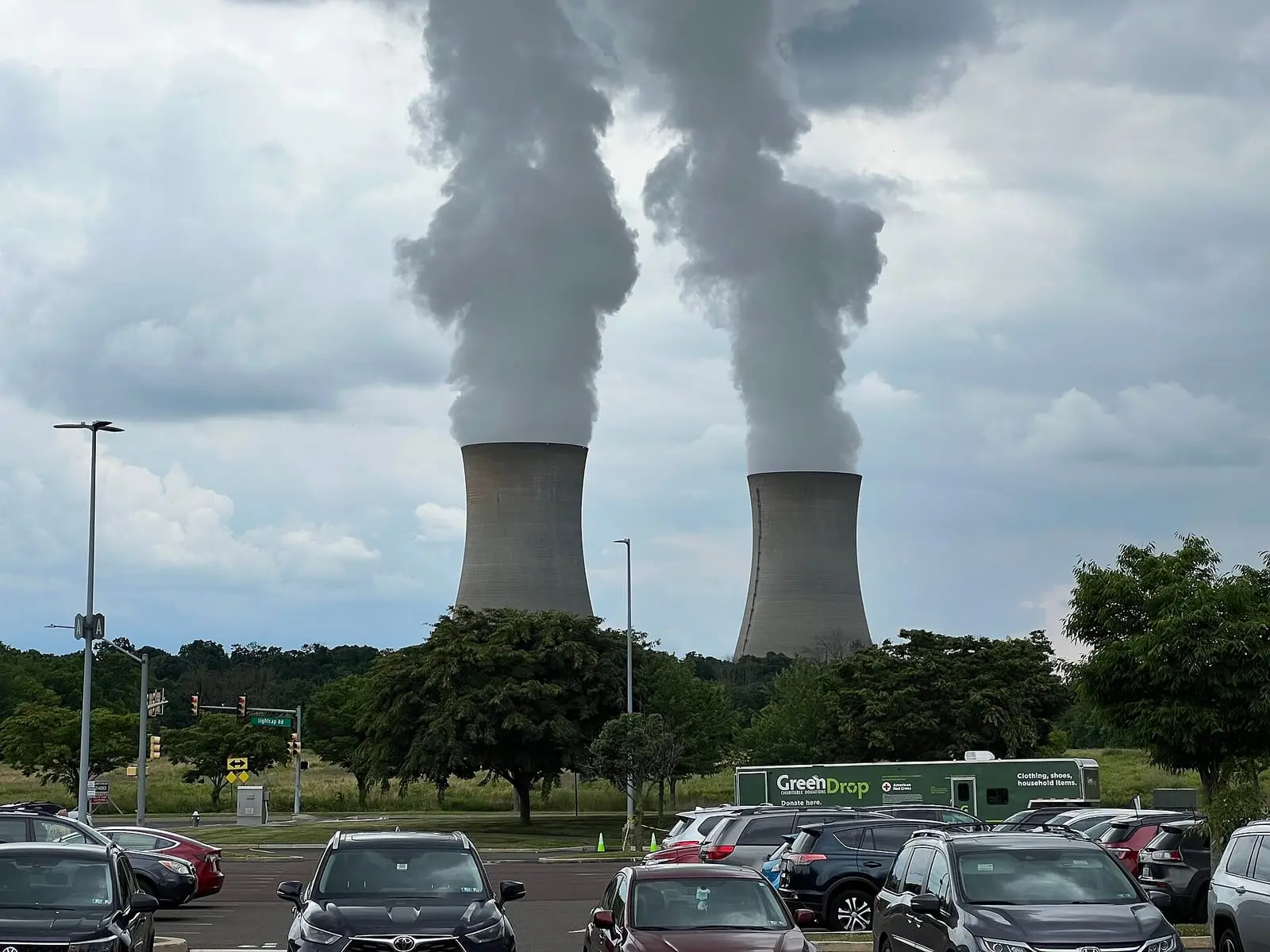
Google and Constellation Energy announced on 6 October 2026 a 20-year power purchase agreement that funds 890 MW of new nuclear capacity through uprates at 11 Constellation units on six sites in Illinois, Pennsylvania and New Jersey. The first uprate is expected by 2028. A separate 15-year agreement covers 2,700 MW from Constellation's PJM fleet, and Constellation will invest more than $4.3 billion. The price is not disclosed.
Key facts
- Announced: 6 October 2026 (Constellation press release)
- New capacity: 890 MW from uprates at 11 nuclear units on six sites in Illinois, Pennsylvania and New Jersey
- Terms: 20-year power purchase agreement; first uprate expected by 2028
- Separate 15-year energy supply agreement for 2,700 MW in PJM
- Constellation investment: more than $4.3 billion; about 7,200 construction jobs
- Price and financial terms: not disclosed
What Google and Constellation announced
Google and Constellation Energy announced on 6 October 2026 a long-term deal to bring 890 MW of new nuclear capacity onto the PJM Interconnection grid. The capacity comes from uprates, meaning equipment and technology upgrades that raise the output of existing reactors. The work covers 11 Constellation-owned nuclear units across six sites in Illinois, Pennsylvania and New Jersey under a 20-year power purchase agreement, and the first uprate is expected by 2028.
A separate 15-year energy supply agreement covers an additional 2,700 MW from Constellation's PJM fleet, which the release says keeps existing generation economically viable. Constellation will invest more than $4.3 billion. The companies say the deal sustains about 4,400 existing jobs and creates about 7,200 construction jobs. The price is not disclosed.
Demand response and the AI side of the deal
The agreement includes load-shaping and demand-response terms that let Google curtail non-critical consumption during high-stress grid events. The two companies will also evaluate new clean generation, storage and demand response projects across the US, with near-term priority on PJM.
Alongside the power deal, Constellation signed an expanded five-year technology agreement to build Gemini Enterprise agentic workflows into its operations. The stated focus areas are speed to power, including site selection, power flow modelling, permitting and interconnection planning; generation optimisation; and protection of operational technology networks. Amanda Peterson Corio, Google's global head of energy and power, and Joe Dominguez, Constellation's chairman, president and CEO, are both quoted.
What changed for data centre power
Uprates add capacity at plants that are already running and connected to the grid. Constellation compares 890 MW to the output of several small modular reactors or one large conventional reactor, and Google says in its own post that the uprates will be completed before the end of 2032. Google puts the PJM grid at 13 states serving 67 million people, and says the deal brings the new nuclear capacity it has enabled to more than 1.5 GW. For AI data centre planning in that region, the deal adds new supply rather than only reassigning existing output. The demand-response clause is the other notable term: a large data centre buyer agreeing in writing to cut load when the grid is stressed.
Other ways companies are paying for AI capacity this autumn are tracked in our AMD and Meta partnership story and NVIDIA's supply chain advances.
What to watch next
The open points are the order of the 11 uprates, the regulatory approvals each one needs, and which Google data centres the power will serve, none of which are stated in the announcement. The 2028 delivery of the first uprate is the first checkpoint. More energy and infrastructure stories are under AI Chips & Infrastructure.
What changed
| Before | Google bought nuclear and clean power under earlier agreements; these Constellation uprates were not funded |
|---|---|
| After | A 20-year PPA funds 890 MW of uprates at 11 units by stages from 2028, with a separate 15-year 2,700 MW supply deal and demand-response terms |
| Who it affects | Google data centres in the PJM region, PJM grid supply, and Constellation's nuclear fleet in Illinois, Pennsylvania and New Jersey |
Questions people ask
- How much nuclear capacity does the Google and Constellation deal add?
- 890 MW of new capacity from uprates at 11 Constellation nuclear units on six sites, under a 20-year power purchase agreement announced on 6 October 2026.
- When does the new capacity start?
- Constellation expects the first uprate to be delivered by 2028.
- How much is Google paying?
- The price and financial terms are not disclosed. Constellation says it will invest more than $4.3 billion.
Sources
- Google and Constellation Announce Landmark Agreement to Bring 890 MW of New Nuclear Capacity to PJM Grid as Part of Long-Term Power Deal (Constellation Energy, 6 Oct 2026)
- Why we're backing America's existing nuclear plants (Google, 6 Oct 2026)
Reference pages
- Google company
- Constellation Energy company
Spotted an error? See the corrections policy and tell the editor. Facts in this story come from the sources listed above; vendor claims are attributed.
Comments
Loading comments.