Microsoft details Maia 300 chip with 288GB of HBM4 and 96-accelerator racks
Microsoft detailed Azure Maia 300 on 12 October 2026: a TSMC N2P chip with 288GB of HBM4 at 18 TB/s, 96 per rack and up to 7x Maia 200 rack throughput.
By Emre AlemdarPublished
 Tech AI Latest
Microsoft published the architecture of Azure Maia 300, its next custom AI accelerator, on 12 October 2026. The compute die is made on TSMC N2P and each chip carries eight HBM4 stacks with 288GB and 18 TB/s of bandwidth. A 167 kW liquid-assisted rack holds 96 accelerators, and superpods reach 12,288. Microsoft claims up to 7x the rack-scale token throughput of Maia 200. Deployment sites and dates are not stated.
Key facts
- Published: 12 October 2026 (Azure blog)
- Process: compute die on TSMC N2P, with memory controller and I/O on separate dies
- Memory: eight HBM4 stacks, 288GB, 18 TB/s per accelerator
- Rack: 96 accelerators in 24 trays, 167 kW; superpod up to 12,288 accelerators across 128 racks
- Microsoft claims versus Maia 200: up to 7x rack-scale token throughput and more than 2.5x performance per watt
- Not stated: deployment locations, dates, models served
What Microsoft announced
Microsoft published a deep dive into Azure Maia 300 on 12 October 2026, written by Rani Borkar, president of Azure Hardware Systems and Infrastructure, and Saurabh Dighe, corporate vice president for systems planning and architecture. A companion page on Microsoft's news site presents Maia 300 as its latest custom chip and links to plans to expand Azure Maia systems to multi-gigawatt deployments. That page lists Scott Guthrie, executive vice president of Cloud + AI, and Microsoft AI chief executive Mustafa Suleyman among the executives speaking about the chip.
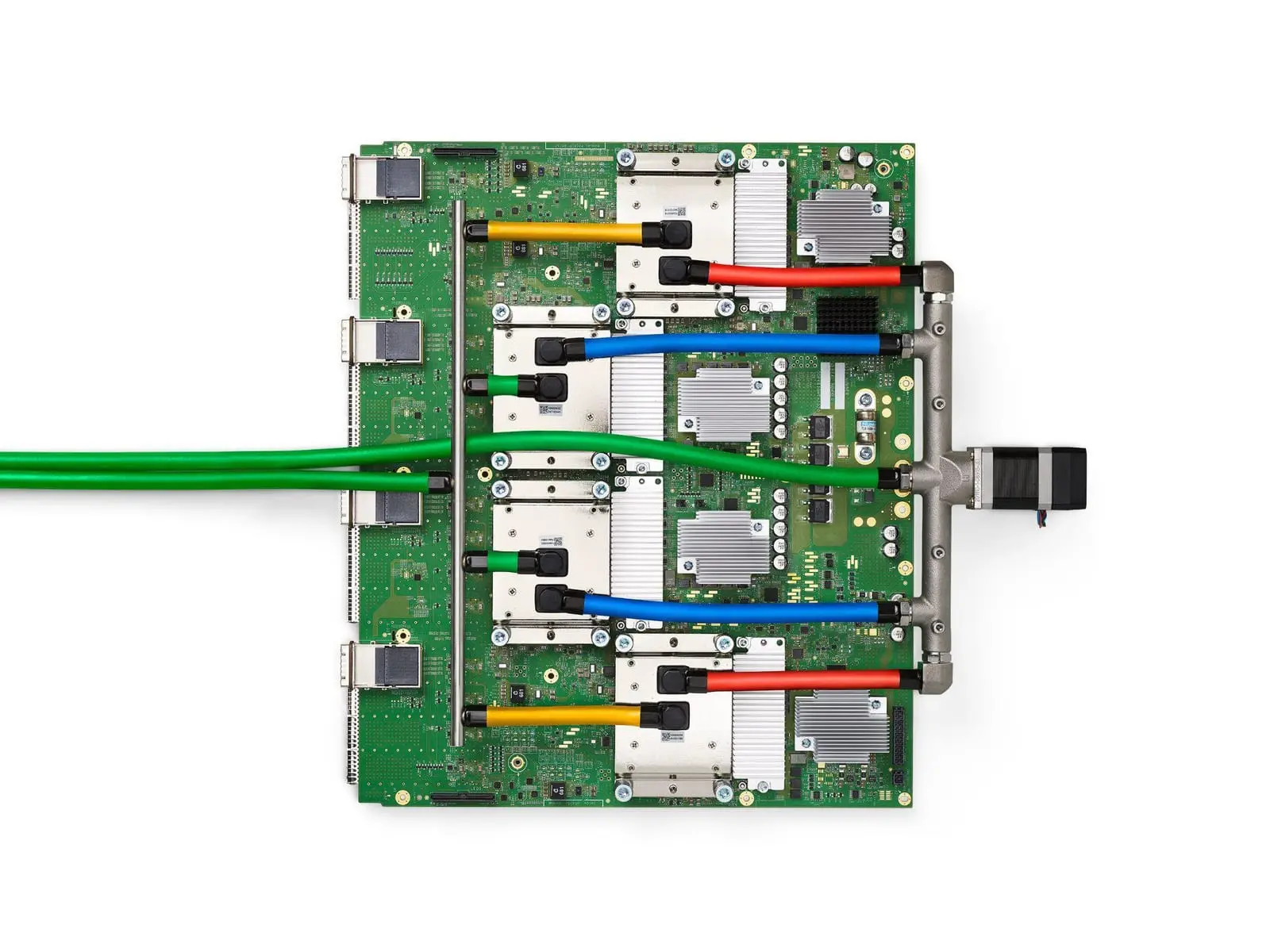
The compute die is built on TSMC's N2P process, with memory-controller and I/O functions moved to separate dies. Each accelerator has eight HBM4 stacks with 288GB of capacity and 18 TB/s of bandwidth, plus software-managed on-die SRAM. Microsoft says compute FLOPs rise by 36%, and the chip adds enhanced MXFP4 and sub-3-bit storage formats with hardware data type conversion. The blog does not give a transistor count or FP4 throughput figures.
Racks, networking and cooling
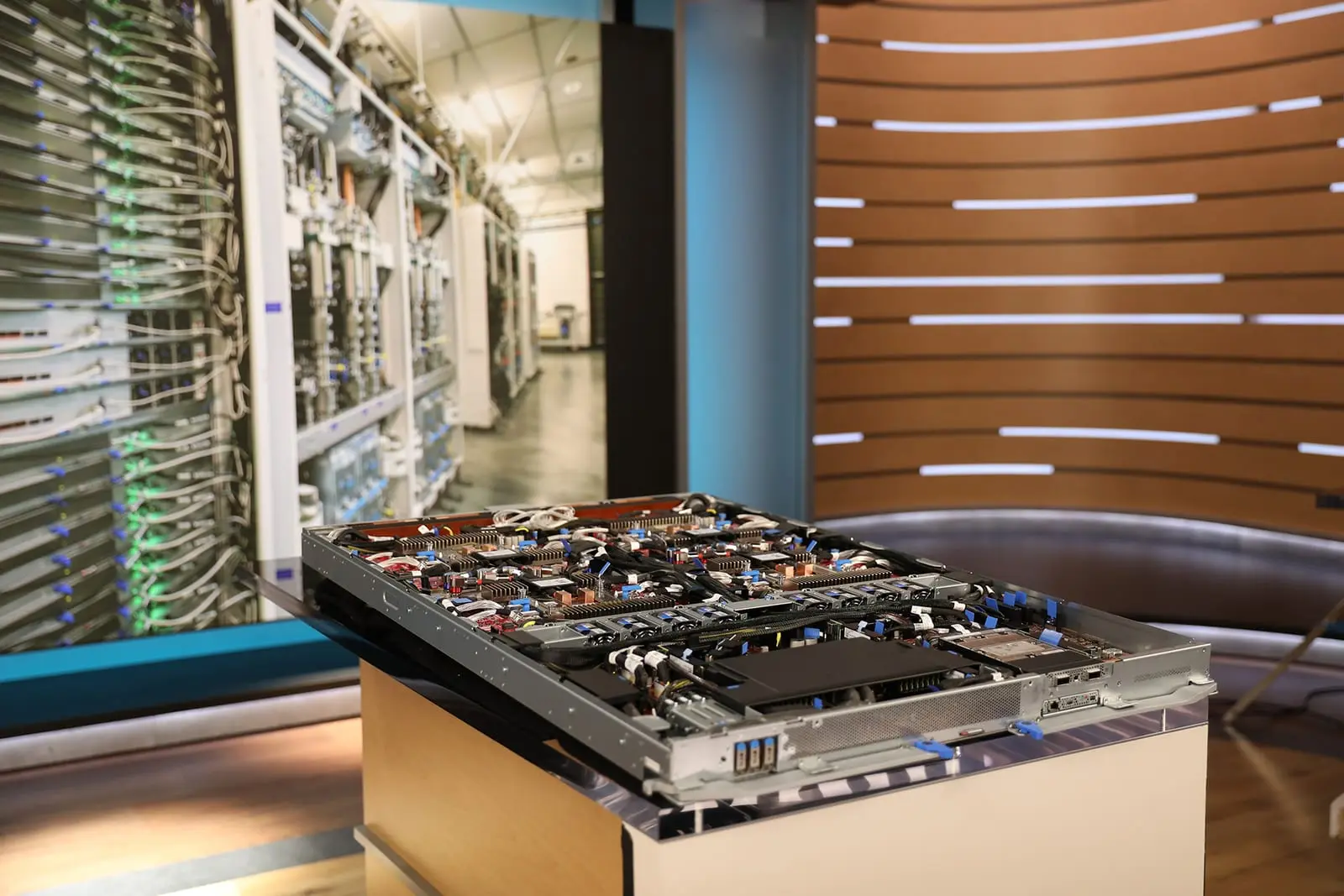
A Maia 300 rack holds 96 accelerators in 24 trays of four, within a 167 kW power envelope. Six switch chips sit in three liquid-cooled switch trays, and a custom Ethernet-based AI transport links the accelerators. Up to 128 racks join through an optical second switch tier to form a superpod of up to 12,288 accelerators. Liquid cooling removes more than 80% of the rack's heat, and the system can run on facility water or a heat-exchanger unit.
Against Maia 200, Microsoft claims up to 7x rack-scale token throughput in the full 96-accelerator configuration, more than 2.5x performance per watt, 2.5x memory bandwidth, 33% more memory capacity and twice as many accelerators per rack. These are Microsoft's own figures and the post includes no comparison with other vendors' hardware.
Why it matters
Maia 300 is built around inference. The design choices show it: low-precision formats, large HBM capacity and a rack built for token throughput. Microsoft says the chip is designed to support workloads such as Microsoft Copilot, GitHub Copilot and Microsoft Foundry, but the blog does not confirm that any of them run on it yet. Other custom silicon moves this month include Google bringing TPUs to Oracle Cloud.
What to watch next
Microsoft says it will share more about Maia 300 at Microsoft Ignite 2026. Deployment locations, dates, the models served and the size of the multi-gigawatt plan are not stated in the announcement, so Ignite is the next place to look for them. Microsoft has also not said whether Azure customers will be able to rent Maia 300 capacity directly. More chip news is under AI Chips & Infrastructure.
What changed
| Before | Maia 200 was Microsoft's latest custom AI accelerator, with half as many accelerators per rack as Maia 300 |
|---|---|
| After | Maia 300 brings TSMC N2P, 288GB of HBM4 at 18 TB/s, 96-accelerator racks and superpods of up to 12,288 chips |
| Who it affects | Azure inference capacity, Microsoft's GPU purchasing mix, and suppliers of HBM4 and liquid cooling |
Questions people ask
- How much memory does Microsoft Maia 300 have?
- 288GB of HBM4 in eight stacks, with 18 TB/s of bandwidth per accelerator, according to Microsoft's 12 October 2026 architecture post.
- How many Maia 300 chips fit in a rack?
- 96 accelerators in 24 four-accelerator trays within a 167 kW rack. Up to 128 racks form a superpod of up to 12,288 accelerators.
- When will Maia 300 be deployed?
- Not stated in the announcement. Microsoft says it will share more at Microsoft Ignite 2026.
Sources
- Deep dive into Azure Maia 300 architecture (Microsoft Azure, 12 Oct 2026)
- Introducing Microsoft's latest custom chip: Maia 300 (Microsoft, 12 Oct 2026)
Reference pages
- Microsoft company
Spotted an error? See the corrections policy and tell the editor. Facts in this story come from the sources listed above; vendor claims are attributed.
Comments
Loading comments.