Infineon gets EU approval for €319M Austrian aid to build Europe's first 300 mm GaN power fab
The European Commission approved €319M of Austrian state aid on 27 October 2026 for Infineon to make power GaN chips, used in AI, on 300 mm wafers.
By Gürkan E.Published
 Tech AI Latest
The European Commission approved €319 million of Austrian state aid on 27 October 2026 for Infineon Technologies Austria to upgrade its Villach fab for high-volume power gallium nitride (GaN) production on 300 mm wafers. The Commission says the facility will be the first of its kind in the EU and names AI among GaN's key applications. The aid is a direct grant, approved under EU State aid rules and Chips Act principles.
Key facts
- Decided: 27 October 2026 by the European Commission, case SA.113427
- Aid: €319 million direct grant from Austria to Infineon Technologies Austria AG
- Project: Empowering Fab, moving power GaN production in Villach from 200 mm to 300 mm wafers
- First of a kind: no comparable 300 mm power GaN capacity exists in the EU, the Commission says
- Conditions: work with start-ups, SMEs and universities, skills training, and sharing unexpected profits with Austria
- Not stated: total project cost, capacity and start of production
What the Commission approved
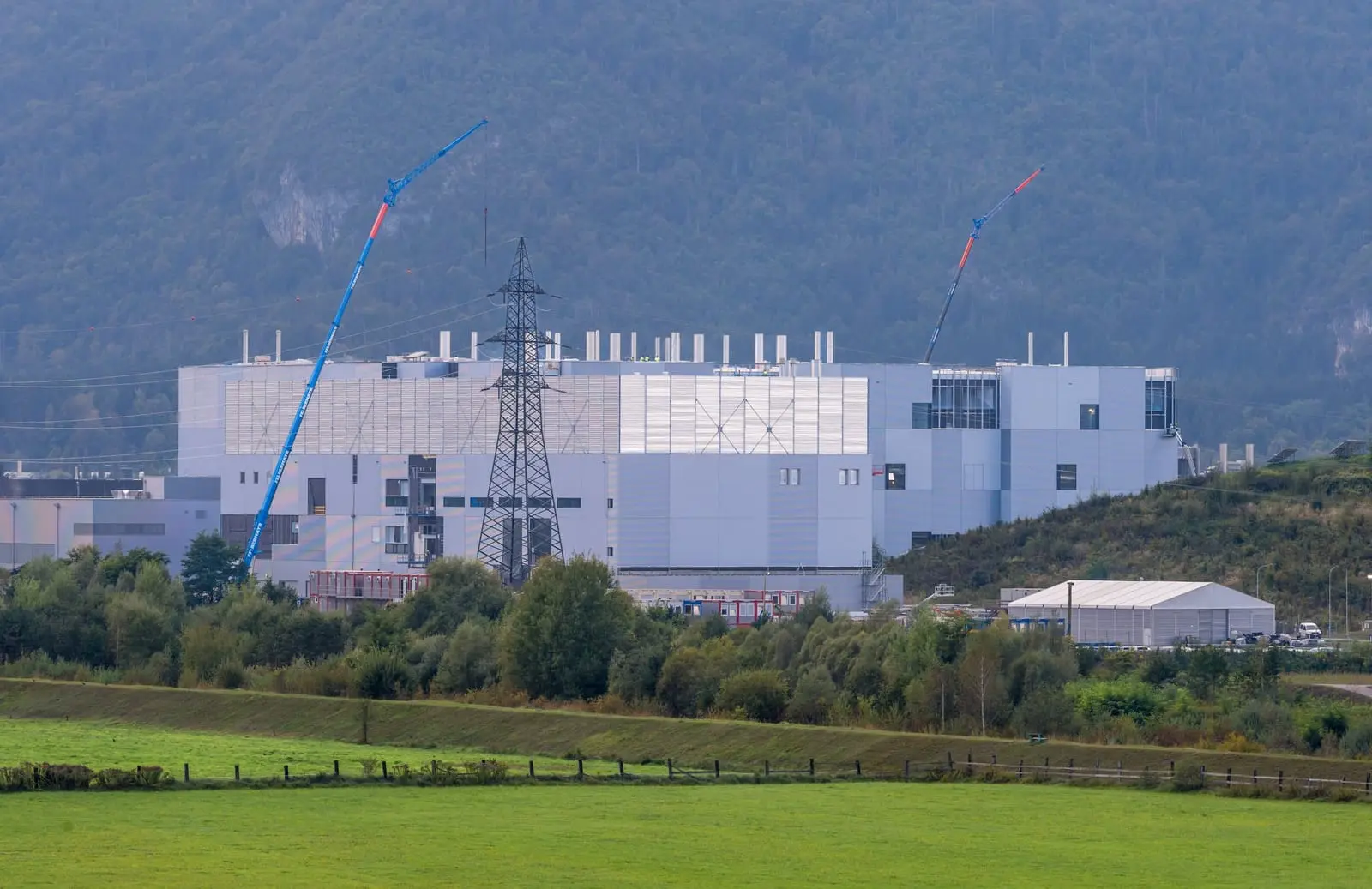
The European Commission approved €319 million in Austrian State aid on 27 October 2026 for Infineon Technologies Austria AG to upgrade its semiconductor plant in Villach, Carinthia. The money is a direct grant for the Empowering Fab project, which will set up high-volume manufacturing of power gallium nitride devices.
The project builds on Infineon's existing 200 mm GaN line in Villach and moves to 300 mm wafers. The Commission says power GaN devices are currently made only on wafers of up to 200 mm and that no comparable 300 mm capacity exists in the EU, so the plant will be first of its kind. It lists artificial intelligence, energy infrastructure, electric mobility and robotics as key applications, citing higher energy efficiency, greater power density and faster switching than silicon.
The conditions attached
In return, Infineon agreed to widen the project's benefit to the EU semiconductor value chain. It will expand collaboration with start-ups, SMEs, universities and research institutions, including access to hardware and software kits and its laboratories. It will run education and skills programmes and share with Austria any project profits beyond current expectations.
The Commission assessed the aid under Article 107(3)(c) of the Treaty on the Functioning of the EU and the principles of the European Chips Act. It found that the aid has an incentive effect, because Infineon would not make the investment in Europe without it, and that it is proportionate and limited to a proven funding gap. The non-confidential decision will appear under case SA.113427 in the State aid register. The Commission also found the aid has a limited impact on competition and trade inside the EU and brings wider benefits such as better security of supply.
Why it matters
Most AI chip policy attention goes to leading-edge logic and memory, but data centers also need efficient power conversion, which is where GaN devices sit. Larger wafers usually lower the cost per device, so a 300 mm line could make GaN cheaper for power supplies in AI servers and grid equipment. The decision shows the Commission using Chips Act state aid for power electronics, not only for processors. Other rules shaping AI hardware are tracked in AI Policy & Regulation.
What to watch next
The announcement does not give the project's total cost, its capacity or a production start date. Those details may appear in the published decision or in statements from Infineon and the Austrian government. It is also not yet clear how much of the new output Infineon will direct to data center customers rather than automotive or industrial buyers, or whether other EU members will back similar GaN projects under the same rules.
What changed
| Before | Power GaN devices in the EU were made only on wafers of up to 200 mm |
|---|---|
| After | Austria can pay Infineon a €319 million grant to build the EU's first 300 mm power GaN line in Villach |
| Who it affects | Makers of power supplies for AI data centers, EV and grid equipment, and EU semiconductor supply security |
Questions people ask
- How much aid did the EU approve for Infineon?
- €319 million, paid by Austria as a direct grant to Infineon Technologies Austria AG for its Villach power GaN project.
- Why does GaN matter for AI?
- The European Commission names artificial intelligence among the main uses of power GaN, which offers higher energy efficiency, greater power density and faster switching than silicon devices.
- Is the Villach GaN fab really a first in Europe?
- The Commission says power GaN is currently made only on wafers up to 200 mm and that no comparable 300 mm capacity exists in the EU.
Sources
- Commission approves €319 million Austrian State aid for first-of-a-kind semiconductor manufacturing facility (European Commission, 27 Oct 2026)
Reference pages
Spotted an error? See the corrections policy and tell the editor. Facts in this story come from the sources listed above; vendor claims are attributed.
Comments
Loading comments.