US Justice Department launches Super Intelligence Task Force to prosecute AI misuse
The US Justice Department created a Super Intelligence Task Force on 5 November 2026 to coordinate criminal and civil cases against misuse of AI.
By Emre A.Published
 Tech AI Latest
Attorney General Todd Blanche set up the Justice Department's Super Intelligence Task Force (DOJ-SITF) on 5 November 2026. It coordinates criminal and civil enforcement against foreign state actors, transnational criminal groups and individual or corporate fraudsters who misuse advanced AI, absorbs the department's AI Litigation Task Force from January 2026, and acts as the law enforcement counterpart to the White House Super Intelligence Force. Staffing, budget and timelines were not stated.
Key facts
- Announced: 5 November 2026 by Attorney General Todd Blanche (Justice Department)
- Co-chairs: Associate Attorney General Stanley Woodward and Associate Deputy Attorney General Stephen Weiss
- Targets: foreign state and state-sponsored actors, transnational criminal organizations, individual or corporate fraudsters misusing advanced AI
- Absorbs: the AI Litigation Task Force created in January 2026
- Links to: the White House Super Intelligence Force chaired by Director of National Intelligence Jay Clayton
- Not stated: staffing numbers, budget or deadlines
What the Justice Department set up
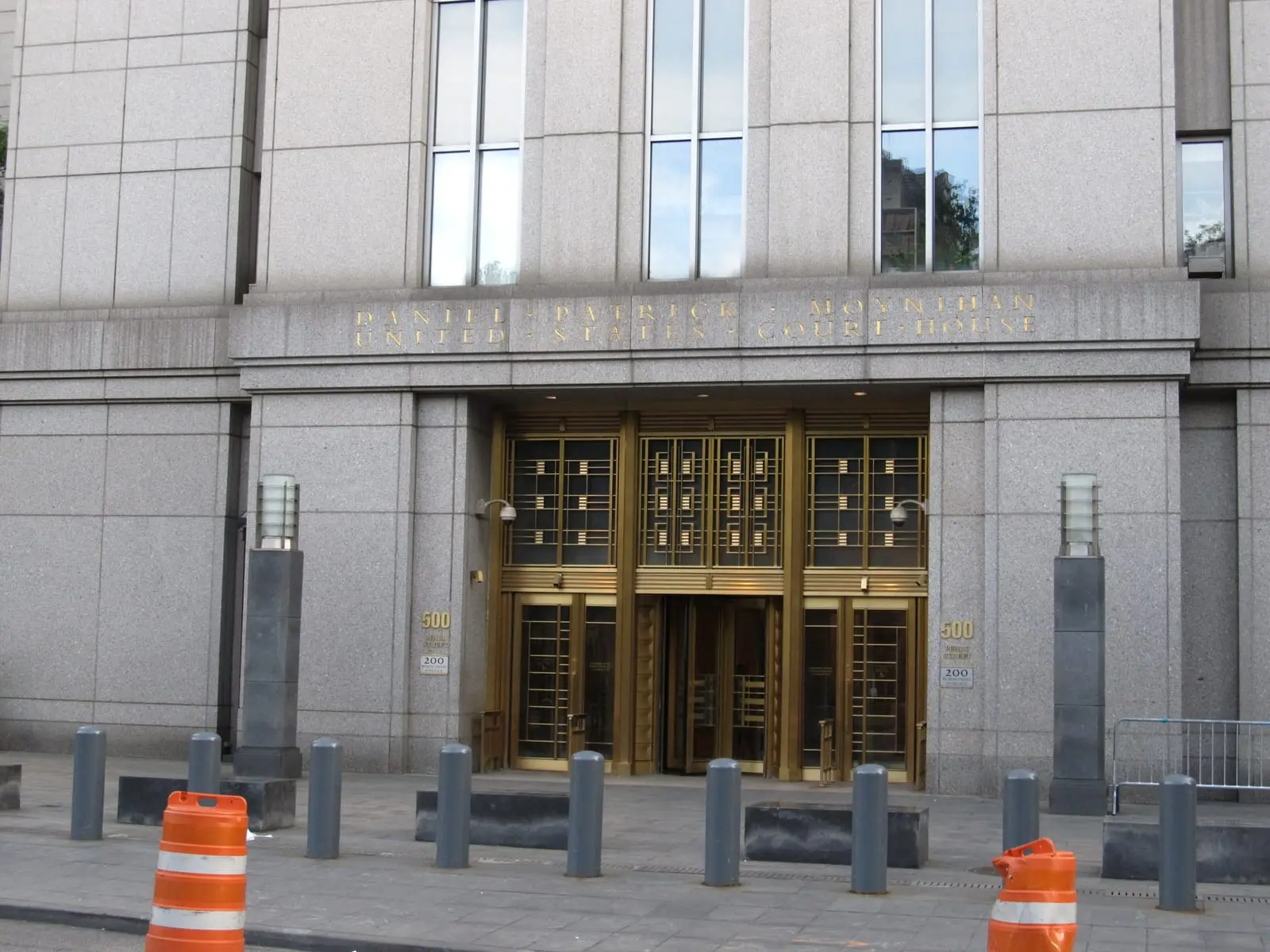
The US Department of Justice announced on 5 November 2026 that Attorney General Todd Blanche has created the Super Intelligence Task Force, abbreviated DOJ-SITF. The department says the unit will coordinate criminal and civil enforcement against three groups that misuse advanced artificial intelligence: foreign state and state-sponsored actors, transnational criminal organizations, and individuals or companies engaged in fraud or other unlawful conduct.
Blanche or his designees will lead it, with Associate Attorney General Stanley Woodward and Associate Deputy Attorney General Stephen Weiss as co-chairs, according to the announcement as reported by Nextgov/FCW and PYMNTS. Representatives will come from the FBI, several of the department's litigating divisions and its National Fraud Enforcement Division. Blanche said the department "will continue identifying and prosecuting individuals whose use of SI violates the law."
Beyond bringing cases, the task force is asked to write guidance for prosecutors on charging unlawful conduct that involves AI and guidance on how the department should weigh a company's AI compliance measures when it decides how to treat that company. The announcement gives no staffing numbers, budget or deadlines for that guidance.
Why it is called Super Intelligence
The name follows Executive Order 14434, which President Donald Trump signed on 29 September 2026. That order tells federal agencies to use the terms Super Intelligence and SI in place of artificial intelligence and AI in their own documents, while keeping the legal definition of AI already in the US Code. The task force therefore covers ordinary AI misuse, from deepfake fraud to AI-assisted hacking; the label does not mean the department believes superintelligent systems exist. Our earlier report on the order explains what it changes and what it leaves alone.
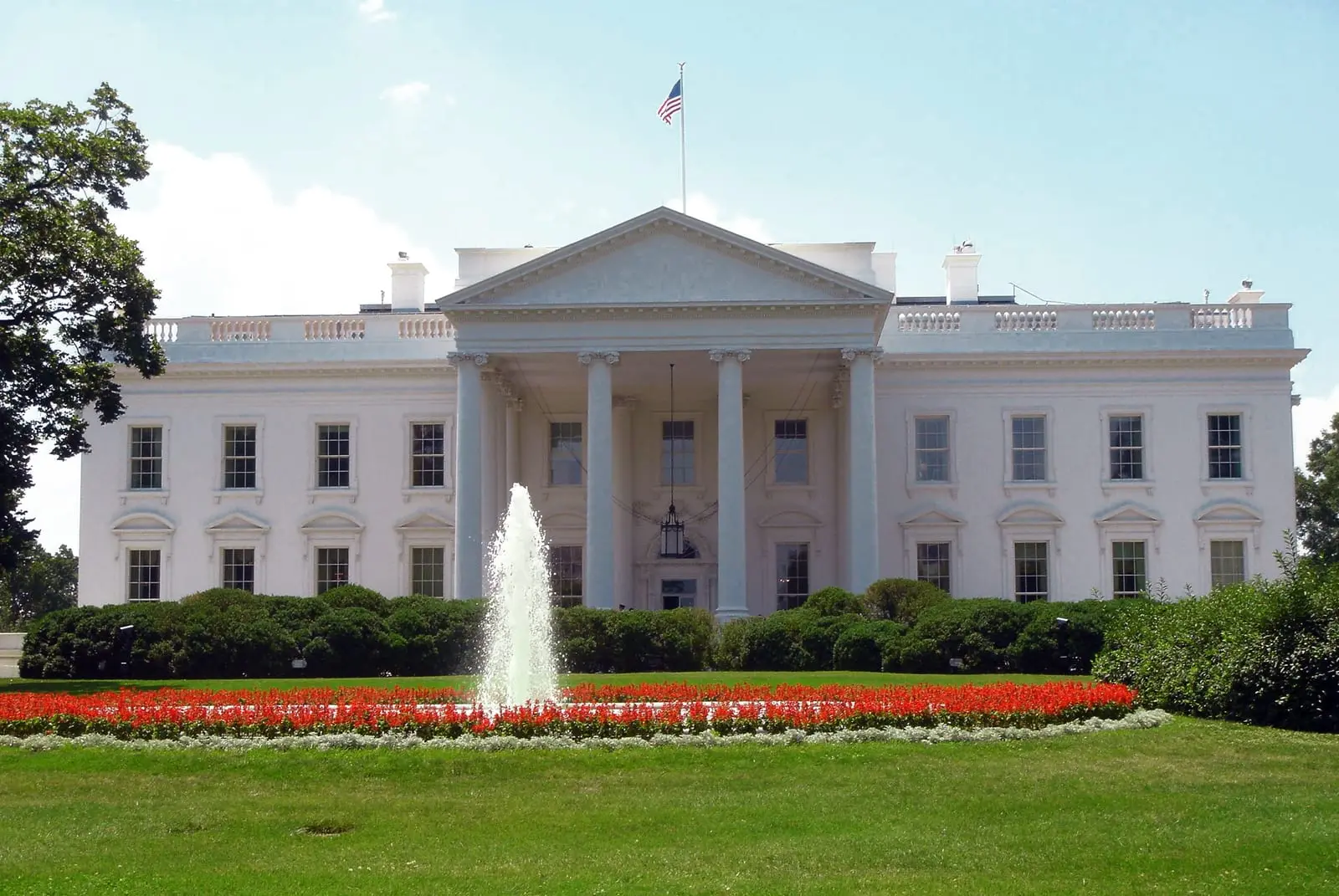
The new unit is also built to connect with the White House. The department describes it as its main point of contact with the Super Intelligence Force, the administration body chaired by Director of National Intelligence Jay Clayton that coordinates the government's work with AI companies and other organizations.
What happens to the AI Litigation Task Force
DOJ-SITF absorbs the department's Artificial Intelligence Litigation Task Force, which was set up in January 2026. That earlier group was created to challenge state AI laws the administration considered in conflict with federal policy, so its work was civil and aimed at state legislatures rather than at criminals. Folding it into a body with a criminal and national security remit puts both lines of work under one chain of command: lawsuits against state rules on one side, prosecutions of AI-enabled fraud and foreign operations on the other.
For companies that build or deploy AI, that combination matters. The same office that will advise prosecutors on AI-related crime will also shape how the department judges corporate compliance programs. Developers subject to state rules such as California's SB 53 frontier model law now deal with a federal unit that can both challenge those state rules and open investigations. The department has also taken positions on AI questions in private litigation, as when it backed OpenAI on fair use.
Reaction and open questions
Coverage has split between the substance and the branding. Engadget and Gizmodo focused on the Super Intelligence name, which they describe as a rebranding of AI under the September order, while trade outlets such as Nextgov/FCW and PYMNTS concentrated on the fraud and national security mandate. One outlet cites an internal memorandum dated 13 October; the department's public announcement is dated 5 November.
Several practical questions are not answered in the announcement: how many prosecutors and agents will work for the task force, whether it gets new funding, when the charging and compliance guidance will be published, and how it will divide AI cases with the FBI's existing cyber and fraud units. The next signals to watch are the first indictments the department attributes to DOJ-SITF and any guidance document on corporate AI compliance, which would show companies what the department expects from them. More coverage of federal and state AI rules is on the AI policy page.
What changed
| Before | AI-related enforcement was spread across DOJ divisions; a separate AI Litigation Task Force, set up in January 2026, challenged state AI laws |
|---|---|
| After | One Super Intelligence Task Force coordinates criminal and civil AI enforcement, absorbs the litigation task force and links to the White House Super Intelligence Force |
| Who it affects | Fraudsters and foreign actors using AI, companies deploying AI that may face compliance reviews, states with their own AI laws |
Questions people ask
- What is the DOJ Super Intelligence Task Force?
- A Justice Department unit created on 5 November 2026 to coordinate criminal and civil enforcement against foreign state actors, criminal organizations and individual or corporate fraudsters who misuse advanced AI.
- Who leads the task force?
- Attorney General Todd Blanche or his designees, with Associate Attorney General Stanley Woodward and Associate Deputy Attorney General Stephen Weiss as co-chairs.
- Does Super Intelligence mean something different from AI here?
- No. Executive Order 14434 told agencies to say Super Intelligence instead of artificial intelligence while keeping the existing legal definition of AI, so the task force deals with ordinary AI misuse.
Sources
- Department of Justice Launches Super Intelligence Task Force (US Department of Justice, 5 Nov 2026)
- Department of Justice forms AI task force (Nextgov/FCW, 5 Nov 2026)
- DOJ Launches Super Intelligence Task Force to Combat AI Fraud and Hacks (PYMNTS, 5 Nov 2026)
- DOJ just launched something called the Super Intelligence Task Force (Engadget, 5 Nov 2026)
Reference pages
- US Department of Justice company
- FBI company
- Executive Order 14434: Inaugurating the Era of Super Intelligence policy
Spotted an error? See the corrections policy and tell the editor. Facts in this story come from the sources listed above; vendor claims are attributed.
Comments
Loading comments.