xAI loses bid to dismiss NAACP Clean Air Act suit over 27 gas turbines in Southaven
A federal judge in Mississippi refused on 30 October to dismiss the NAACP's Clean Air Act case over gas turbines that power xAI's Memphis-area data centers.
By Emre A.Published
 Tech AI Latest
Chief US District Judge Debra M. Brown of the Northern District of Mississippi denied a motion to dismiss filed by xAI and its subsidiary MZX Tech on 30 October 2026. The NAACP alleges that 27 gas turbines in Southaven ran without air permits to power xAI's data centers. The court rejected arguments on standing, a mobile source exemption and the constitutionality of citizen suits. Liability has not been decided.
Key facts
- Ruling: 30 October 2026, 28-page opinion and order, Northern District of Mississippi (SELC)
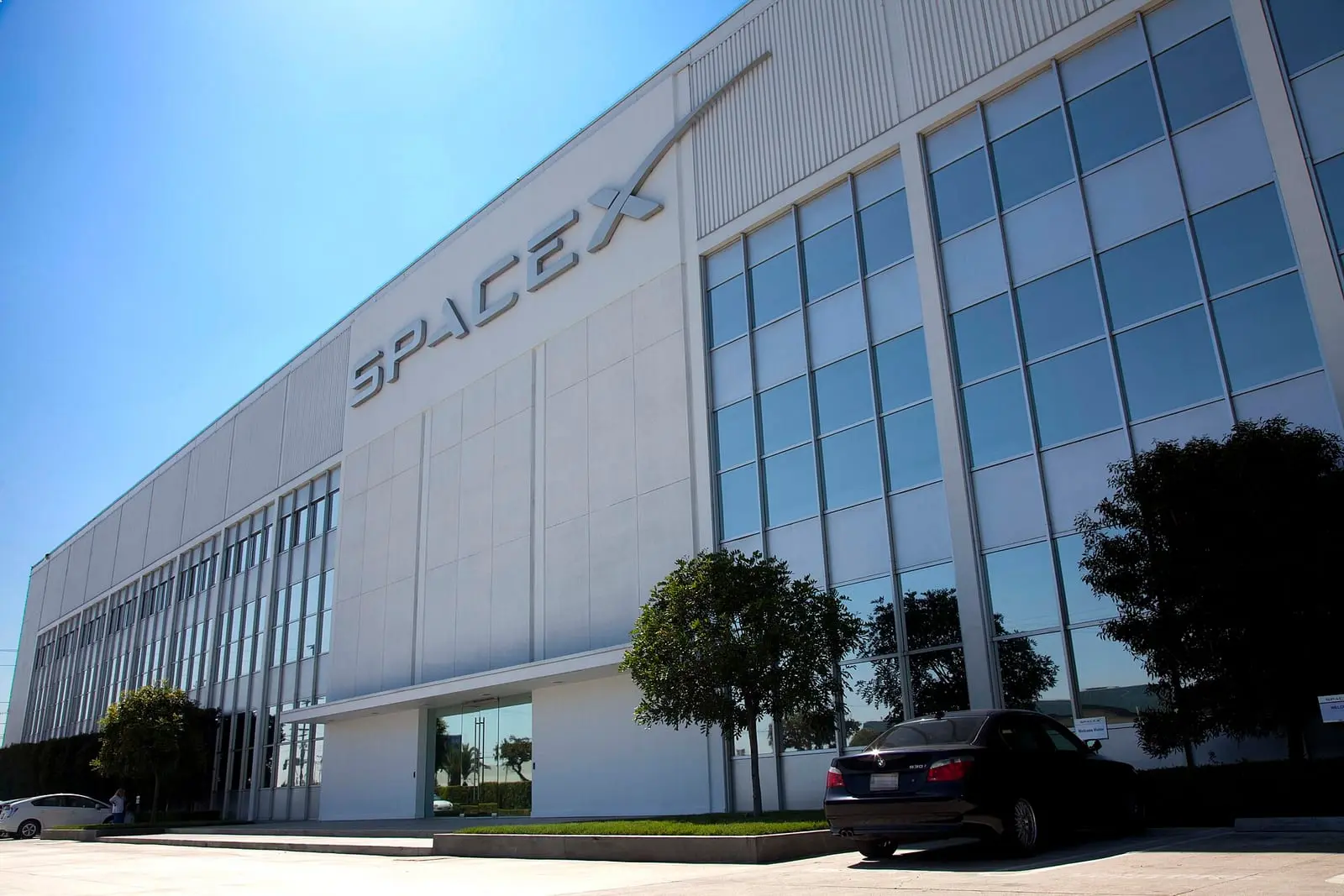
- Defendants: X.AI Corp. and its subsidiary MZX Tech LLC; xAI has been part of SpaceX since February 2026
- Claim: 27 gas-fired turbines operated in Southaven between August and December 2025 without air permits, according to the complaint
- Penalties sought: up to $124,426 per day for each violation
- Still pending: the NAACP's motion for a preliminary injunction
- Not decided: whether xAI broke the Clean Air Act
What the court decided
Chief US District Judge Debra M. Brown of the Northern District of Mississippi denied the motion to dismiss filed by X.AI Corp. and its subsidiary MZX Tech LLC in a 28-page opinion and order filed on Friday, 30 October 2026, as reported by TechCrunch and CNBC and announced by the Southern Environmental Law Center, which represents the plaintiffs together with Earthjustice. The case, tracked here as NAACP v. xAI, now moves forward.
xAI had made three arguments. It said the Mississippi State Conference of the NAACP had no standing to sue on behalf of its members. It said the turbines did not need air permits because they were mobile and temporary sources. And it argued that the citizen suit provision of the Clean Air Act is unconstitutional. The judge rejected all three. She found that the plaintiffs have statutory standing, that the gas-fired turbines are not mobile sources exempt from permitting under Mississippi's state plan, and that the court is not bound by the state regulator's view that they were exempt. On the constitutional point, she reasoned that citizen suit plaintiffs sue on their own behalf, in their own name, and seek penalties that redress harm to themselves.
The decision is not a finding that xAI operated illegally. It only means the claims can be tested in court, with evidence, on a schedule the judge has yet to set. It is also the second time in two weeks that the same court has refused to end the case, after a 19 October ruling on a request from the Justice Department. SpaceX, which announced its acquisition of xAI on 2 February 2026, did not immediately comment to CNBC.
The turbines and how the case got here
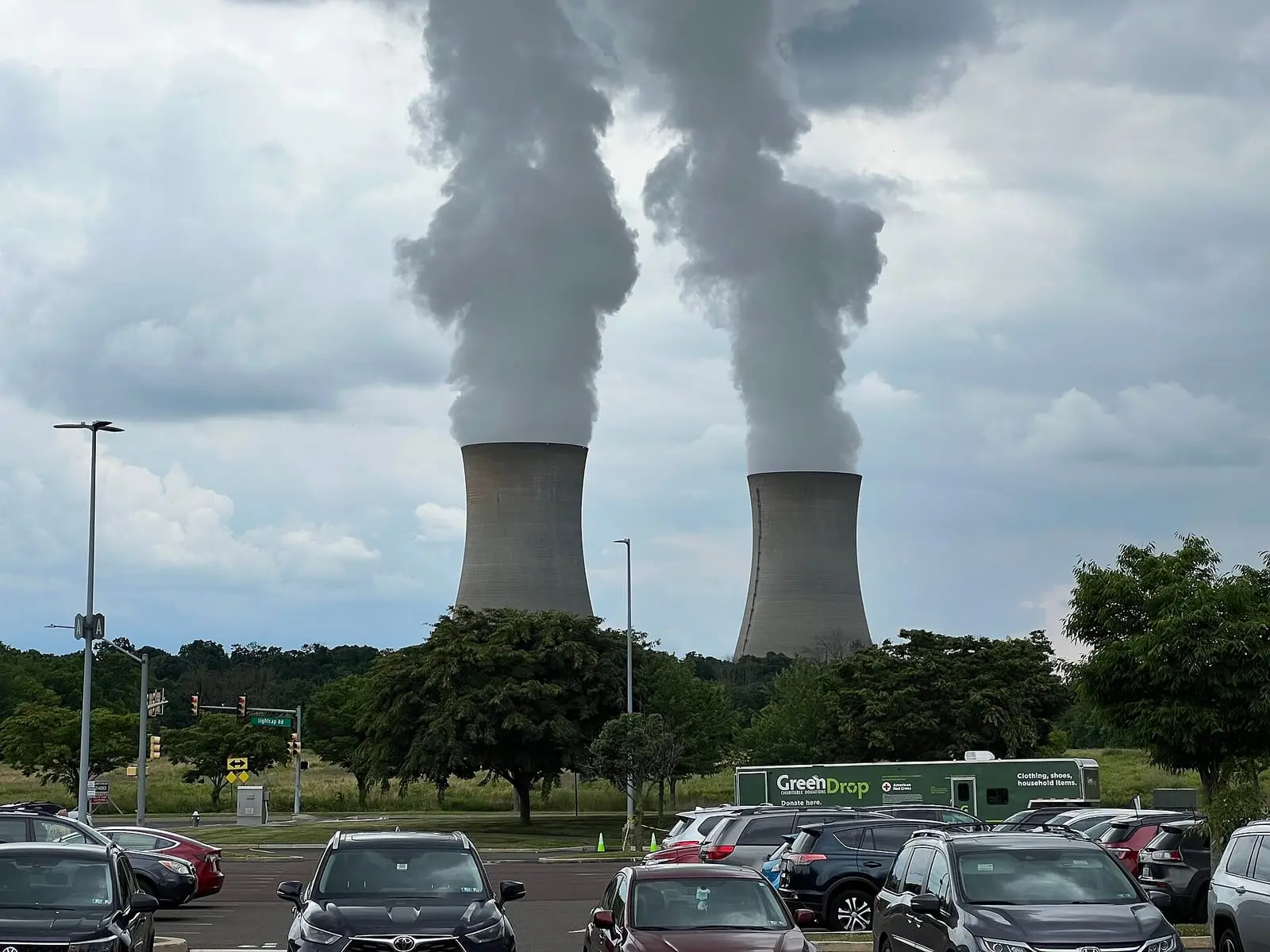
The NAACP filed the suit on 14 April 2026, represented by SELC and Earthjustice. The complaint alleges that xAI installed and ran 27 gas-fired turbines at a site in Southaven, Mississippi, between August and December 2025 without the air permits the Clean Air Act requires. The turbines supply power to xAI's data centers in the Memphis area, which train and serve the Grok models; several outlets tie them to the Colossus 2 site across the state line in Tennessee. Reports on the dispute have given other turbine counts for later periods; those figures differ between outlets and are not used here.
The plaintiffs ask the court to declare that xAI violated the Clean Air Act, to order it to stop running unpermitted turbines, to require the best available control technology, and to impose civil penalties of up to $124,426 per day for each violation. They have also filed a separate motion for a preliminary injunction to limit the turbines while the case continues; the court has not ruled on it.
The federal government entered the case in June 2026, when the Justice Department moved to intervene and asked the court to dismiss the suit, citing national security, and the State of Mississippi joined that request. Earthjustice told CNBC at the time that the department wanted to give itself veto power over citizen suits. On 19 October the same court let the United States, acting for the Environmental Protection Agency, join the case but refused to dismiss it, according to Mississippi Today. The court held that the EPA's role as the primary enforcer of the Clean Air Act does not give the federal government control over all Clean Air Act litigation, since Congress allowed citizens to sue when governments do not.
Why it matters for AI data centers
On-site gas turbines have become a common way for AI companies to get power faster than a utility connection allows. The ruling is one of the first by a federal court on whether such generators can be treated as temporary or mobile equipment that escapes air permitting. The court's answer at this stage is no, at least under Mississippi's plan, which gives other community groups a tested route for citizen suits against data center power plants built ahead of their permits.
For xAI, the immediate exposure is legal cost and the possibility of an injunction that limits how the turbines run. The penalty figure in the complaint is a statutory maximum per violation per day, not an amount any court has found. The bigger risk is time: power is one of the main constraints on training runs, and any order that slows the Southaven plant would affect capacity for Grok work. Grok is sold through the xAI API and inside X, so a constraint on compute reaches both developers and consumers.
Next to watch are the court's decision on the preliminary injunction, xAI's answer to the complaint and the schedule for discovery. The Justice Department remains in the case as an intervenor, and how it uses that role will show whether federal policy on AI infrastructure power shifts the fight from the courtroom to Washington.
What changed
| Before | xAI and the Justice Department had both asked the court to throw out the NAACP's Clean Air Act suit; the DOJ request was refused on 19 October |
|---|---|
| After | The court has also denied xAI's own motion to dismiss, so the case proceeds toward discovery and a ruling on a preliminary injunction |
| Who it affects | xAI and SpaceX, residents near Southaven and Memphis, and AI companies that power data centers with on-site gas turbines |
Questions people ask
- Did the court find that xAI broke the Clean Air Act?
- No. The 30 October 2026 ruling only denied xAI's motion to dismiss. Liability has not been decided, and the NAACP still has to prove its claims.
- What does the NAACP want from xAI?
- A declaration that xAI violated the Clean Air Act, an order to stop running unpermitted turbines, the best available pollution controls and civil penalties of up to $124,426 per day for each violation.
- Is the US government on xAI's side?
- The Justice Department intervened in June 2026 and asked for dismissal. On 19 October the court allowed it to join the case but refused to dismiss the suit.
Sources
- Court tosses request to block Clean Air Act lawsuit against Musk's xAI (Southern Environmental Law Center, 30 Oct 2026)
- SpaceX loses bid to toss NAACP lawsuit over Memphis data center air pollution (CNBC, 31 Oct 2026)
- Judge allows NAACP lawsuit over xAI data center pollution to move forward (TechCrunch, 31 Oct 2026)
- Judge rejects Trump DOJ request to dismiss NAACP xAI lawsuit (Mississippi Today, 21 Oct 2026)
- NAACP Sues xAI for Illegal Pollution from Data Center Power Plant (Earthjustice, 14 Apr 2026)
Reference pages
- xAI (SpaceXSI) company
- NAACP v. xAI policy
Spotted an error? See the corrections policy and tell the editor. Facts in this story come from the sources listed above; vendor claims are attributed.
Comments
Loading comments.