Google Project Suncatcher satellite returns the first AI response from a TPU in orbit
Google says its Project Suncatcher prototype ran Gemma 4 on a TPU in orbit and sent its first answer to Earth, a step toward twin linked satellites in 2027.
By Berkant A.Published
 Tech AI Latest
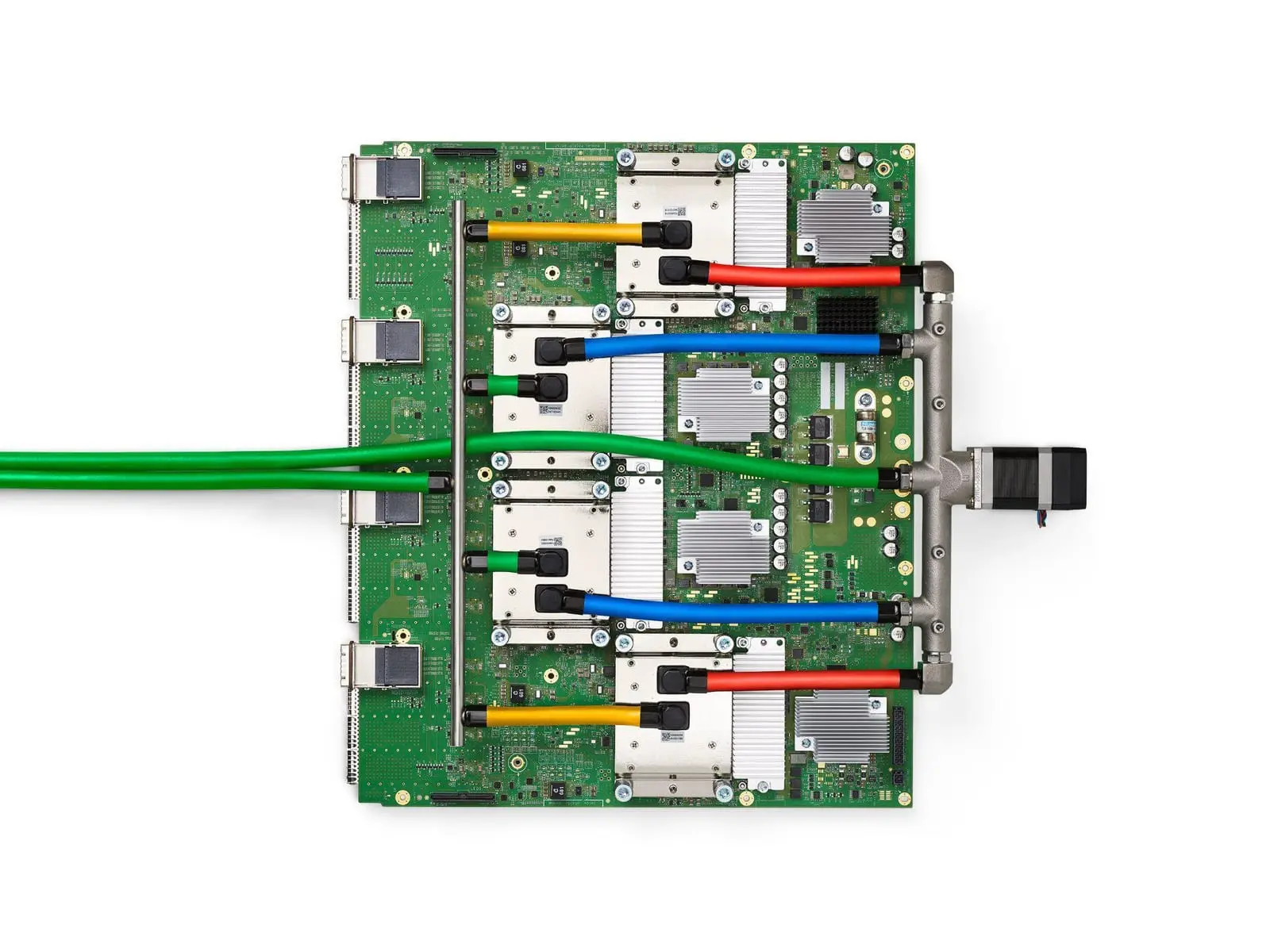
Google said on 30 October 2026 that its Project Suncatcher prototype satellite, launched on 1 October, produced the first AI response from a data center class TPU in orbit. Engineers uplinked a prompt to the onboard Gemma 4 model, which returned a haiku downlinked over Svalbard. Google will now test how its TPUs cope with heat and radiation, and plans twin interconnected satellites in 2027.
Key facts
- Announced: 30 October 2026 (Google blog, Travis Beals, Senior Director, Paradigms of Intelligence)
- Launch: 1 October 2026 on SpaceX's Transporter-18 rideshare; satellite built with Planet
- Milestone: first AI response from a data center class TPU in orbit, from the onboard Gemma 4 open model
- Next tests: TPU behaviour under thermal stress and radiation in orbit
- Next milestone: twin interconnected satellites in 2027
- Number of TPUs and power budget: not stated in the announcement (TechCrunch reports four TPUs, one usable at a time)
What Google announced
Google said on 30 October 2026 that its Project Suncatcher prototype satellite has sent back its first AI response. The post, by Travis Beals, Senior Director of Paradigms of Intelligence, calls it the first AI response from a data center class TPU in orbit. After launch, the team spent several weeks on a commissioning checklist that included powering up the host and TPU trays and running early machine learning tests.
During a ground-station pass, engineers uplinked a prompt to the onboard Gemma 4 open model asking for a haiku about being in space. The answer was downlinked as the satellite passed Svalbard, Norway. Google says it then tried space-themed limericks and telemetry prompts that report the technical status of the payload.
How the mission got here
The satellite launched on 1 October 2026 aboard SpaceX's Transporter-18 rideshare mission and was built in partnership with Planet. Google describes Suncatcher as a long-term research moonshot into whether space could one day host scalable machine learning infrastructure, and published the research behind it as a peer-reviewed paper in the journal Joule.
The announcement does not give the number of TPUs on board or the satellite's power budget. TechCrunch reports four TPUs and up to 1 kW of power, with only one TPU running at a time for about 20 minutes. Google has not published those figures itself.
Why it matters
Power and cooling are the limits most AI data center projects run into on the ground, which is why stories in AI Chips and Infrastructure keep returning to grid deals and new energy supply. Suncatcher tests the opposite bet: put accelerators where sunlight is constant and grid connections are not needed. A single prototype answering a short prompt says nothing yet about cost or scale, but it is the first public sign that a commercial data center chip can boot and run inference after launch.
The harder question is reliability. Radiation can flip bits in memory and corrupt results without obvious errors, and heat has to be shed without air or water. Google says the coming tests target exactly those two conditions.
What to watch next
Google names one dated milestone: twin interconnected satellites in 2027, which would test linking compute between spacecraft. Results from the thermal and radiation campaign, and whether Google publishes error rates, will show how close the idea is to useful workloads. The blog post gives no cost estimate and no target date for anything beyond 2027.
What changed
| Before | The Suncatcher prototype was in orbit and in contact, but no TPU workload had been reported |
|---|---|
| After | The TPU booted, ran Gemma 4 and returned prompts to the ground; thermal and radiation tests are next |
| Who it affects | Google's long-term AI infrastructure plans and other companies proposing data centers in orbit |
Questions people ask
- What is Project Suncatcher?
- A Google research moonshot exploring whether space could host scalable machine learning infrastructure. Its first prototype satellite, built with Planet, launched on 1 October 2026.
- What did the Suncatcher satellite send back?
- A haiku about being in space, generated by the onboard Gemma 4 model running on a TPU and downlinked as the satellite passed Svalbard, Norway, according to Google.
- What comes after the prototype?
- Google says it will test TPUs under thermal stress and radiation, then aims for twin interconnected satellites in 2027.
Sources
- We've received our first response from the Project Suncatcher prototype satellite (Google, 30 Oct 2026)
- Our Project Suncatcher prototype satellite is in orbit (Google, 1 Oct 2026)
- Google's first data center satellite is online and writing poetry (TechCrunch, 30 Oct 2026)
Reference pages
- Google company
Spotted an error? See the corrections policy and tell the editor. Facts in this story come from the sources listed above; vendor claims are attributed.
Comments
Loading comments.